
Choosing a Cabinet Paint System: Questions Beyond Color
Compare the cabinet material, existing finish, preparation and return-to-use plan before choosing a new cabinet coating.
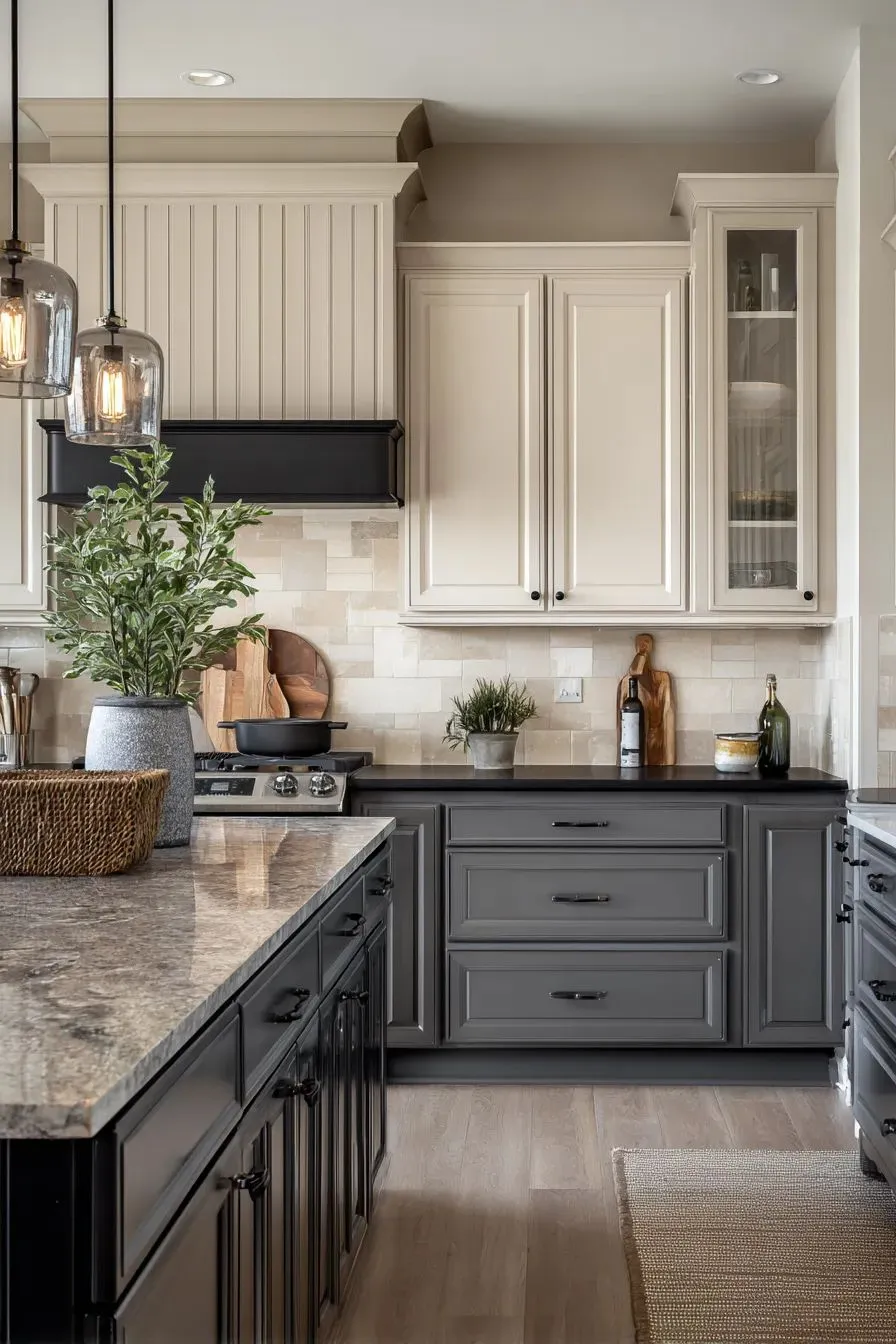
A cabinet finish has to work with the doors, drawer fronts and frames already in your kitchen. Choosing a color is part of the decision, but the estimate also needs to explain what will happen beneath that color. A useful cabinet-painting conversation starts with the existing material and finish, then connects preparation, appearance and everyday use.
Identify the surfaces you want finished
List the door and drawer fronts, face frames, exposed sides, island panels, fillers and trim. Decide whether the inside faces of doors and the cabinet interiors are included. A photograph of a closed kitchen does not answer all of those questions.
Note whether the cabinetry includes solid wood, veneer, manufactured panels or a factory-applied surface. Different parts of one kitchen may use different materials. If records from the original installation are available, keep them with the project photographs. The contractor should assess the actual surfaces before proposing preparation and coating products.
Ask what preparation the existing finish needs
Show worn handle areas, peeling edges, grease buildup and earlier touch-ups during the walkthrough. Explain what you have used to clean or polish the cabinets. Those details help the contractor decide what further assessment is needed.
Ask the estimate to distinguish cleaning, surface preparation, repairs and priming. A description that only says “paint cabinets” leaves too much unresolved. The proposed system should follow the selected products' instructions for the actual material and existing coating. The preparation plan may change when a damaged surface is examined more closely.
Compare the appearance as a complete system
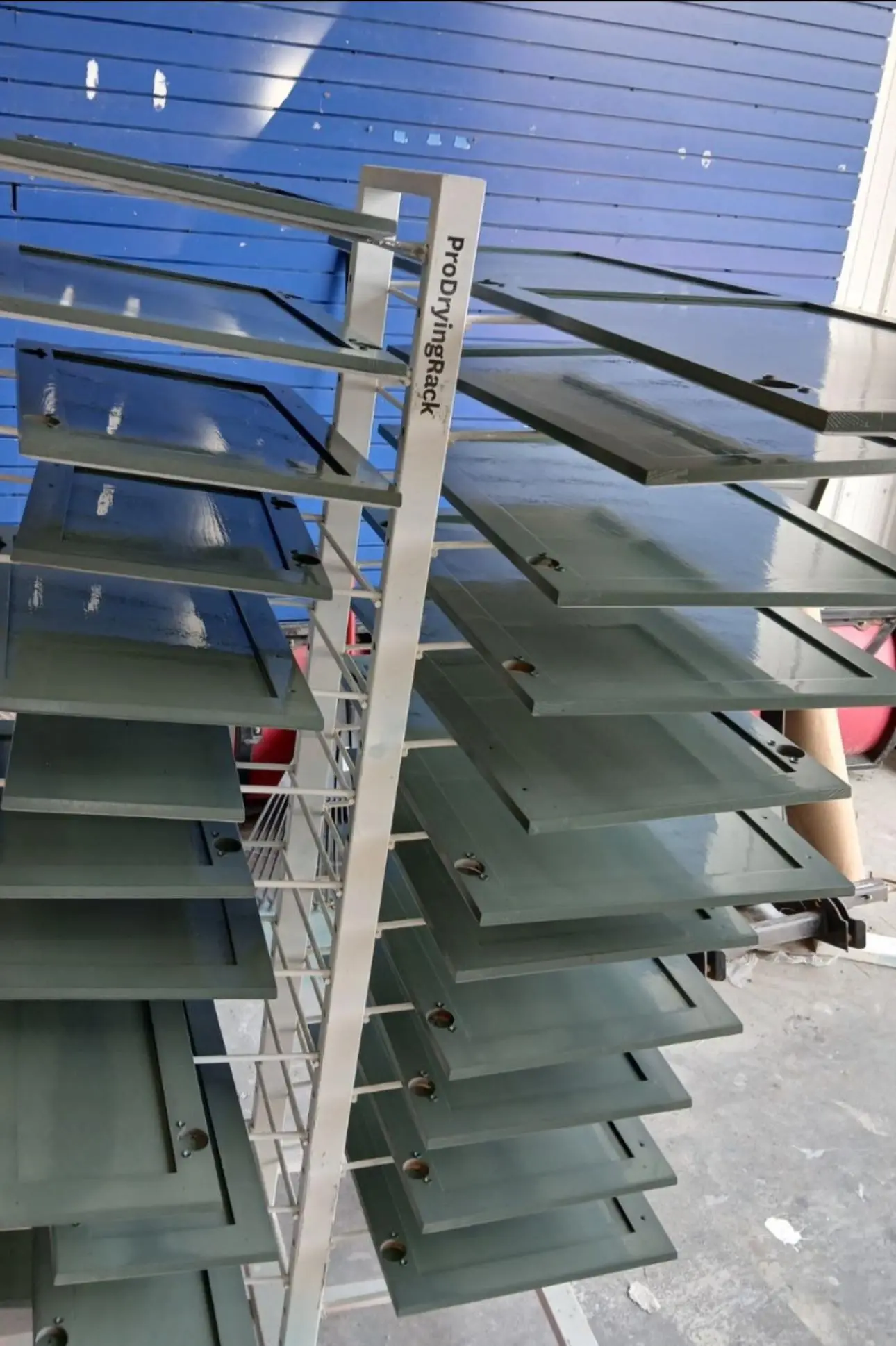
Discuss the look of broad panels, routed edges and visible grain together. If a smooth appearance is important, ask what the proposed preparation can reasonably achieve on your particular doors. A new color does not automatically erase grain or change a door's construction.
Compare sheen as well as color. Look at a physical sample near the countertop, backsplash and flooring. Ask which sample represents the proposed cabinet finish, since a wall-color sample may answer the color question without showing the final cabinet surface.
Understand handling and return to use
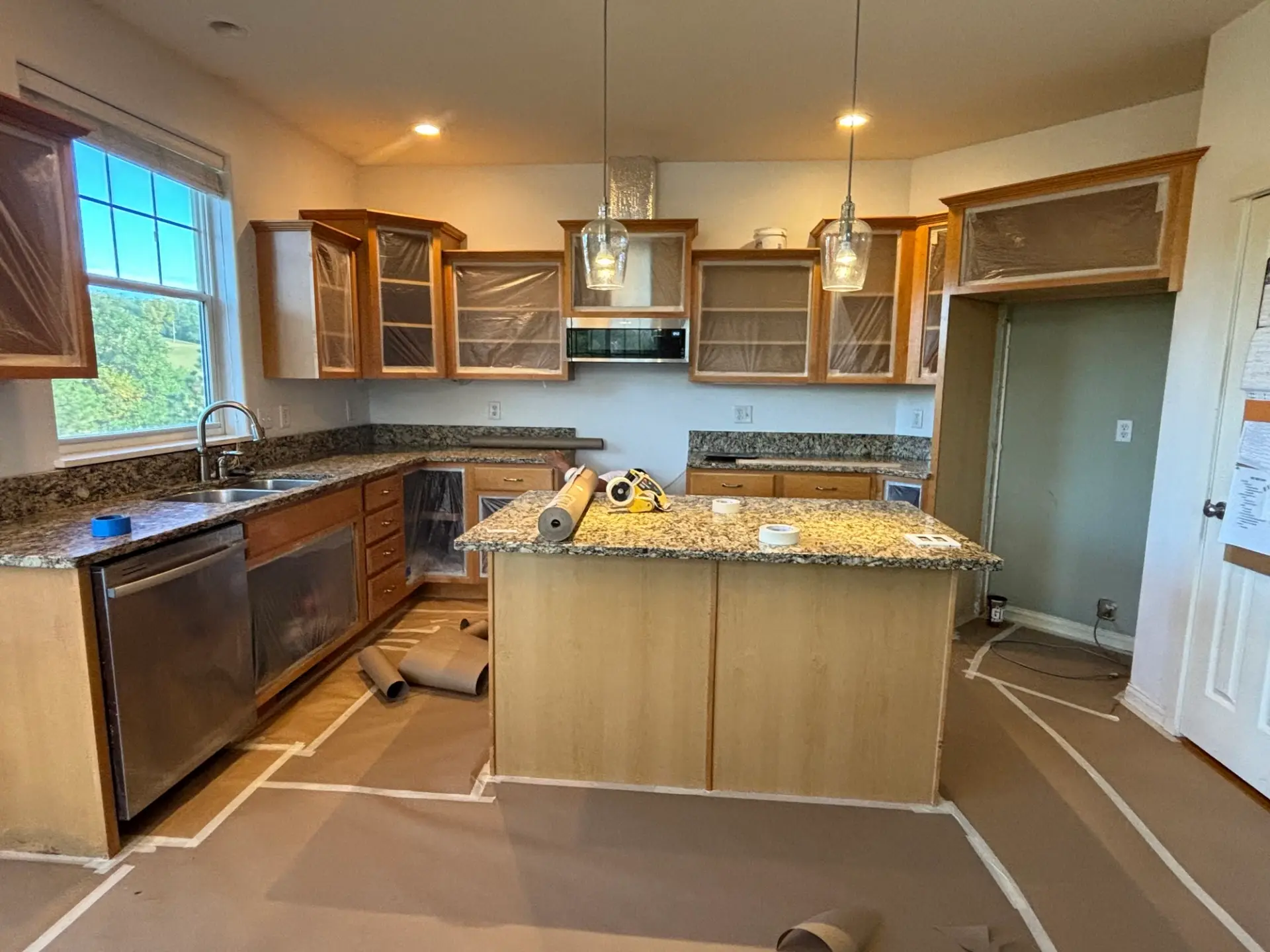
Agree how doors and drawers will be identified, removed if necessary, protected and returned to their original locations. Ask which parts of the kitchen remain accessible while work proceeds and what needs to be emptied beforehand.
Application, drying, reassembly and normal cleaning are separate milestones. Request product-specific guidance for handling and care instead of assuming that a surface ready to touch is ready for every household use. The project schedule should account for the agreed finishing method and conditions.
Keep a useful record after the project
Retain the product names, color identification, sheen and care instructions with the final scope. Ask how to report an adjustment or touch-up concern and what information would help identify the affected door or drawer.
Bring room-wide photographs and close views of worn areas to your cabinet-painting conversation with Henry's. The next step is a finish plan that describes the surfaces, preparation and result you actually want.
Explore more of our work