
Planning an Accent Wall That Fits the Room
Choose the wall, its boundaries and the surrounding finishes before choosing a stronger color.
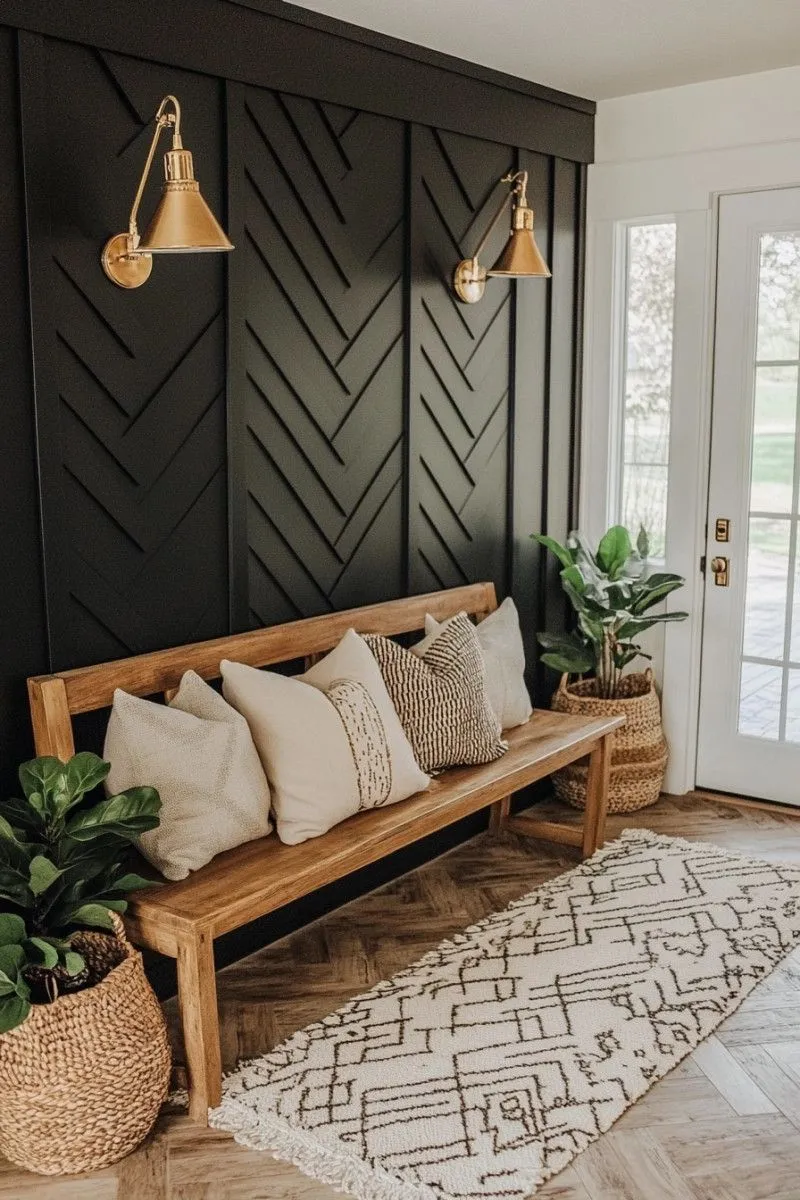
An accent wall is a decision about where you want attention in a room. Start by identifying the feature you want to emphasize: a fireplace, a bed, a dining area or a particular architectural shape. Then consider whether a color change supports that feature from the views you use most.
A photograph can offer inspiration, but the wall boundaries, light and furniture in your own room determine the useful comparison. Plan the whole composition before choosing the boldest sample.
Look from the entrances
Stand at each doorway and look toward the proposed wall. Note the windows, open doorways, built-ins and furniture that interrupt it. A wall that looks simple from one position may divide into several small areas from another.
Consider the view from connected rooms as well. An accent may be visible beyond the living room or at the end of a hall. Include those adjoining wall colors in the sample comparison so the transition is deliberate.
Identify the exact boundaries
Mark where the color will begin and end. Decide how inside corners, outside corners, recesses and returns around openings will be handled. If a fireplace projects from the wall, specify whether the side faces belong to the accent or the surrounding color.
Keep the trim, ceiling and doors in the conversation. The written scope should make clear whether they remain unchanged or receive separate work. A phrase such as “paint the fireplace wall” can leave important edges open to interpretation.
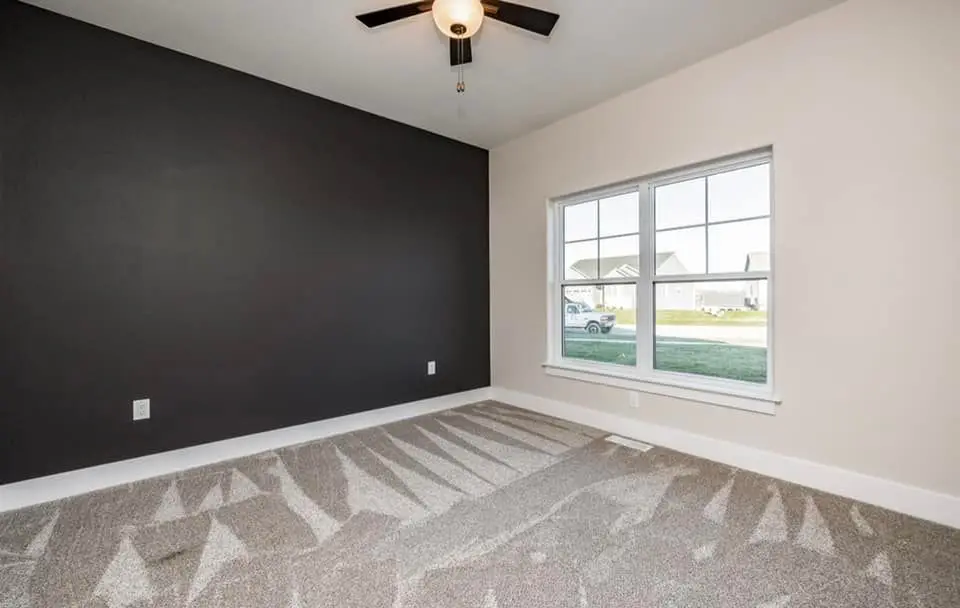
Choose the type of contrast
Contrast can come from a lighter or darker color, a change in color family, or a difference between painted surfaces and nearby materials. You do not need every type of contrast at once.
Compare the accent sample with the sofa, flooring, fireplace surround and existing artwork. If a patterned furnishing is staying, ask whether you want the wall to support it quietly or become another focal point. Use the answer to narrow the samples instead of adding more colors without a clear goal.
Check the wall's condition
Look at the proposed wall under the room's usual lighting. Identify repairs, earlier patches and texture differences during the estimate. Ask what preparation is included and what finish appearance is reasonable for the existing surface.
If the project includes substantial wall repair, discuss that separately through the interior-painting plan. A color selection should not leave the preparation decision until work begins.
Test the final arrangement
View physical samples at different times of day and with the evening lights turned on. Place the samples where they can be compared with the surfaces that will stay. Include the proposed sheen in the approval conversation.
Before confirming the work, record the selected color, finish and wall boundaries. Decide where furniture will go during the project and when it can return. Bring those decisions to Henry's interior-painting estimate so the accent wall is part of a clear room plan, with useful edges, appropriate preparation and an intentional relationship to the rest of the home.
Explore more of our work