
Choosing Wall Paint Around Existing Flooring
Use the floor, trim and neighboring rooms to narrow paint choices before you test physical samples.
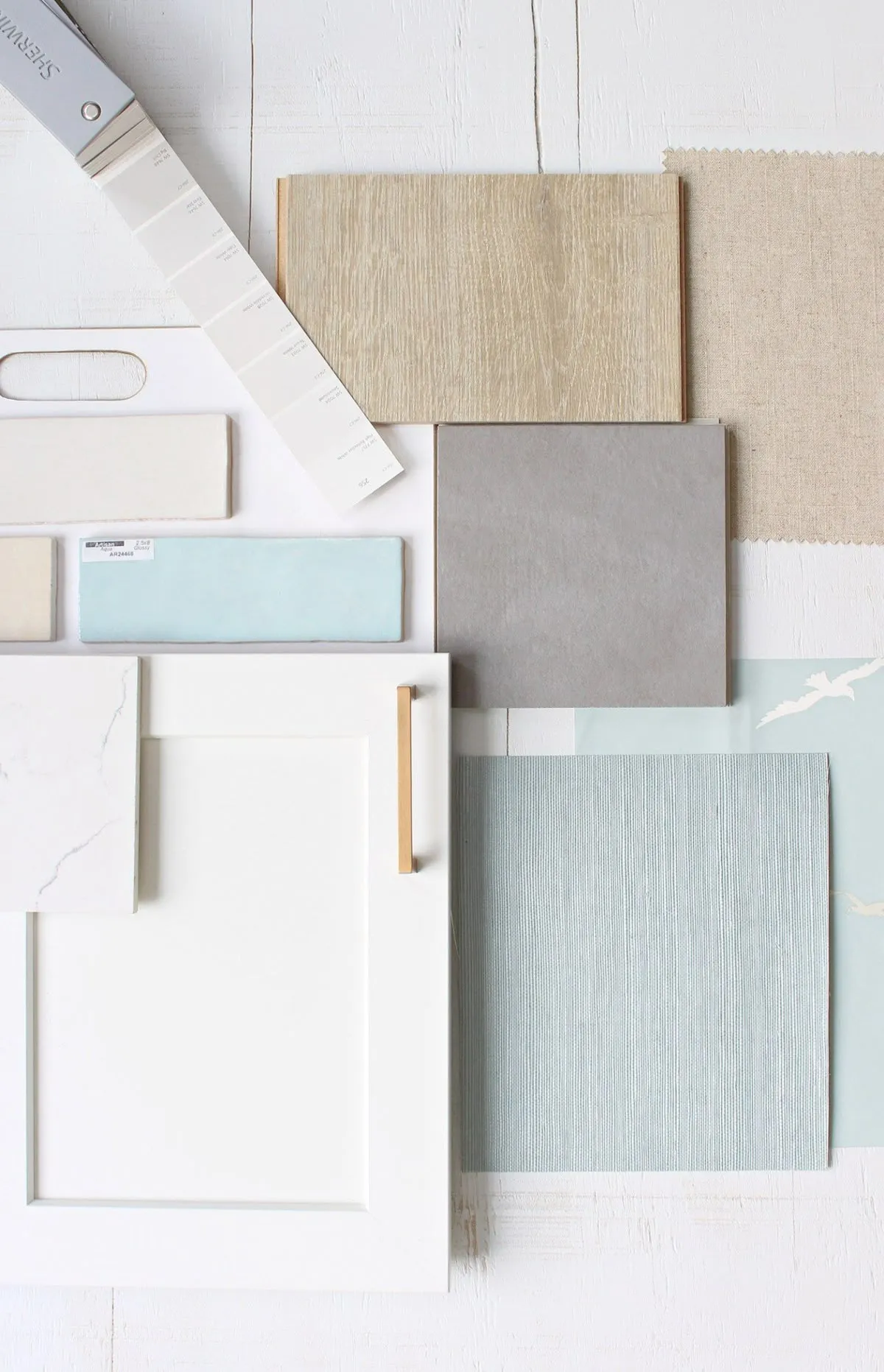
Flooring is often one of the largest finishes that remains during an interior repaint. Start the color conversation with that fixed surface rather than treating the walls as an isolated choice. The aim is a relationship you like between the floor, walls, trim and furniture.
“Matching” does not have to mean choosing the same color. You may prefer the walls to sit quietly beside the floor, create a lighter contrast or connect the room to adjacent spaces. Decide which result you want before comparing a long list of paint chips.
Read the whole floor
Look at a broad section of flooring, including both the lighter and darker parts of a patterned or varied material. One tile or plank may not represent the room as a whole. Include the rug if it will remain a major part of the view.
Describe the visible colors in ordinary terms. Note whether the floor looks more golden, reddish, gray or mixed in the room's current light. These are observations to test against samples, not a rule that every surrounding color must belong to the same family.
Include the trim and other fixed finishes
Place the proposed wall color beside the baseboard and door casing as well as the floor. If the trim is being repainted, compare the wall and trim samples together. If it is staying, treat its existing color as another fixed part of the decision.
In a kitchen or bathroom, include countertops, cabinets and tile. Decide which finish is most important to preserve visually. A sample that works with the floor may need a second comparison against a prominent stone counter or patterned backsplash.
Compare a few intentional options
Choose samples that answer different questions: one close in tone to the surroundings, one lighter, and one with a more noticeable color difference. Label them and compare them in the same place.
Use physical samples in the actual room. Look from a seated position and from the doorway, then repeat the comparison under your normal evening lights. Record why you prefer one option so the decision remains clear if other finishes enter the discussion.
Consider the next room
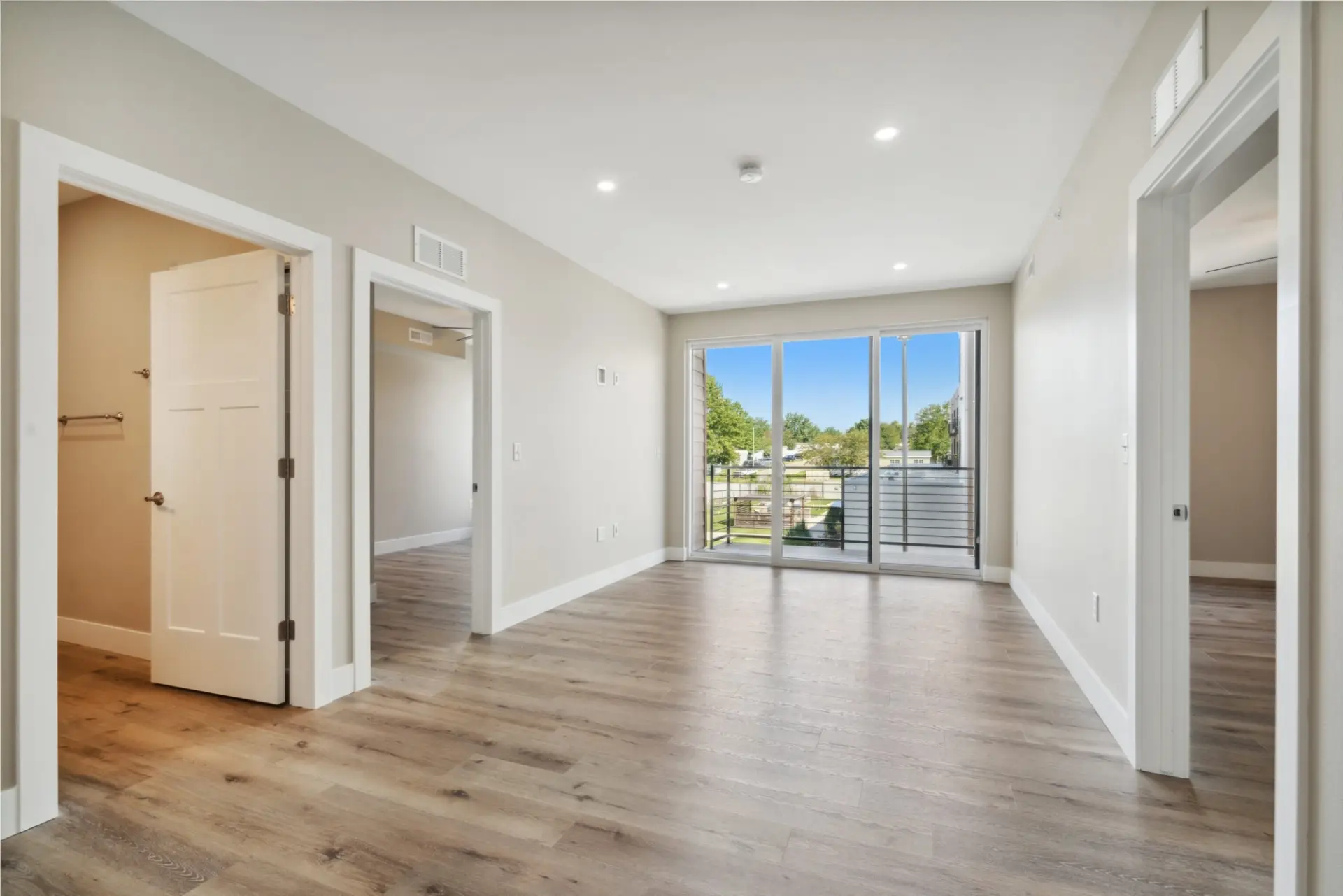
If the floor continues through several spaces, view those spaces together. A shared floor can help organize a consistent wall palette, but a doorway or architectural change may also provide a useful place to introduce another color.
If the flooring changes at an opening, compare both floors with the proposed wall and trim colors. Specify the paint stopping point on the room list. The choice should work through the actual connection between rooms.
Plan the work around the floor
During the estimate, describe the flooring that will remain and discuss protection, furniture movement and access. If new flooring is also planned, coordinate the work sequence and responsibility for any final adjustments.
Bring a room-wide photograph and your shortlisted samples to Henry's interior-painting service. Confirm the colors, sheen and included surfaces together so the repaint supports the finishes you are keeping and the way the rooms connect.
Explore more of our work