Building a Useful Industrial Coating Brief
Describe the surface, exposure, operating conditions and acceptance requirements before comparing industrial coating proposals.
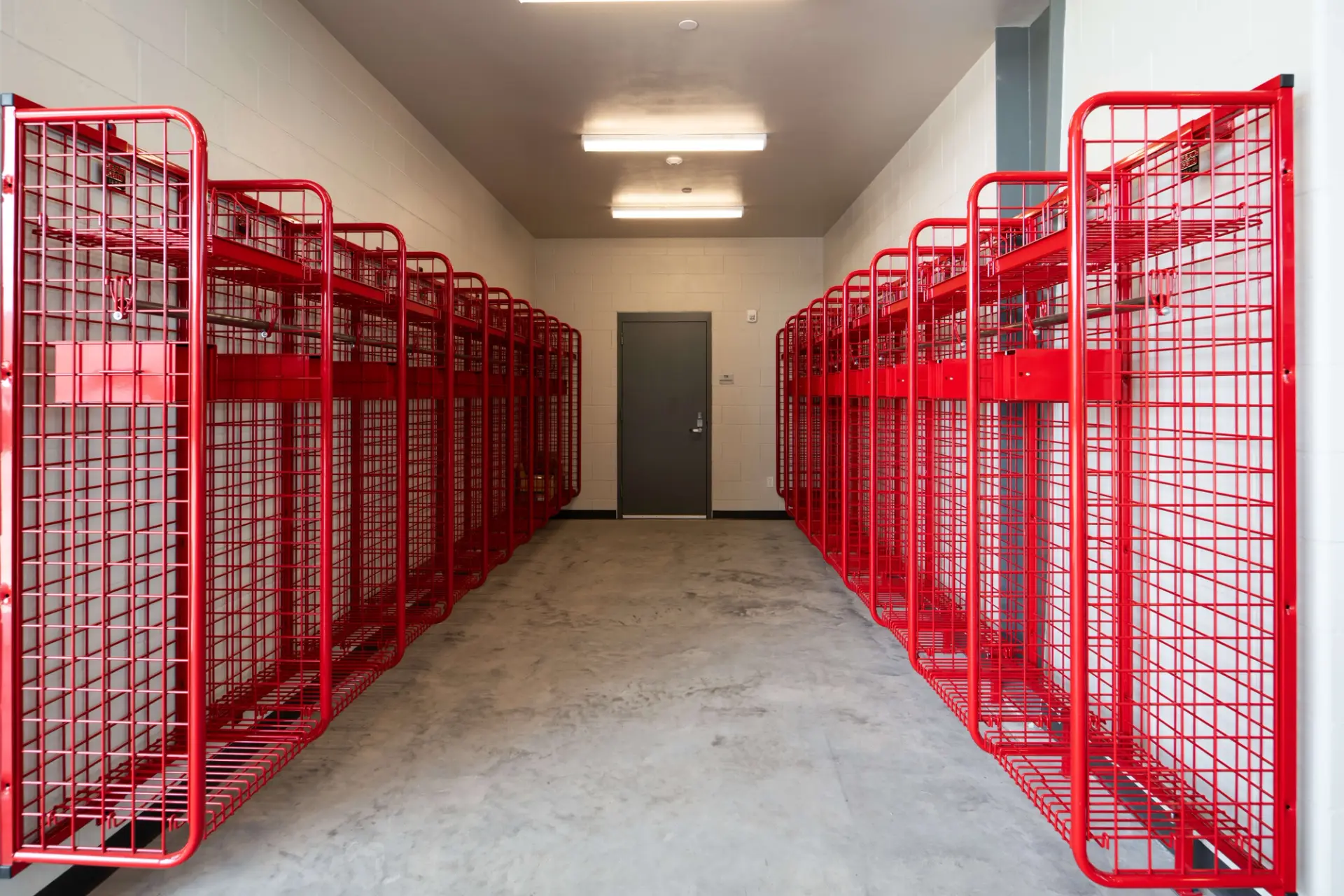
A useful industrial coating brief describes what the surface will encounter and how the facility operates. “Durable paint” is too broad to compare proposals for a wall, metal component or floor. Start with the actual surface, its existing condition and the result that needs to be documented.
Separate ordinary commercial repainting from work that calls for a specified coating system. Each should have a clear scope, with product selection and application requirements tied to the proposed use.
Record the substrate and existing finish
Identify the material where known, the previous coating system if records exist, and visible conditions such as peeling, corrosion, stains or damaged areas. Include both wide photographs and close views of the affected surfaces.
Explain what is known and what remains uncertain. If the existing coating or underlying condition needs further assessment, ask how that assessment will be carried out and how its result could change the proposal. Do not make a fixed preparation assumption simply to complete the pricing table.
Describe the operating conditions
List the activities near the surface: equipment movement, frequent cleaning, washdown, outdoor exposure or contact with particular materials. Supply actual cleaning procedures and relevant product information where available.
State the expected appearance as well. A finish selected mainly for a service requirement may need a separate conversation about color, texture and how repaired areas will look. Agree which characteristics will be used to accept the completed work.
Request a complete system description
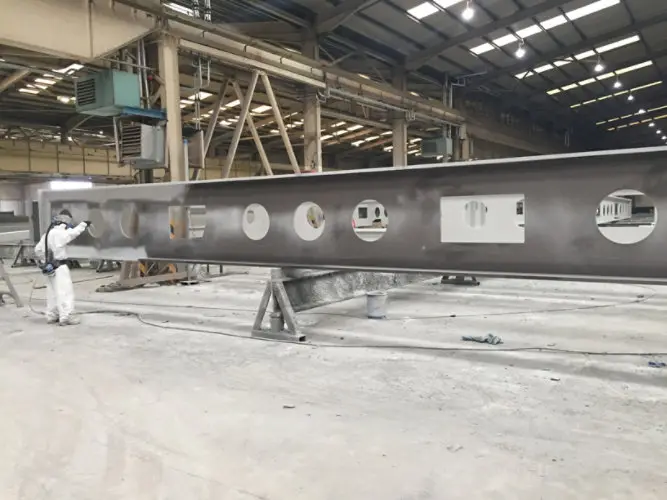
Ask the proposal to identify preparation, repair, primer and finish components, together with the manufacturer's supporting documentation. If a project specification calls for a measurable property or inspection, identify the applicable requirement and who will confirm it.
Keep proposed alternatives visible. A substitution should be reviewed against the same project criteria, rather than accepted because its product name sounds similar. Record approvals before materials are applied.
Connect the coating plan to facility access
Describe permitted shutdowns, storage restrictions, equipment isolation and the routes needed to reach the work. Decide who moves inventory or equipment and how adjacent operations will be coordinated.
Ask for product-specific information about application conditions and return to the intended service. Do not assume that a coating ready for a later application step is also ready for cleaning, equipment contact or full traffic. The actual product system and site conditions determine the handover plan.
Define records and future care
Agree what completion records are required: product identification, approved colors, scope changes, inspection results where specified, and care instructions. Identify who will retain those records at the facility.
For a maintenance question later, a dated photograph and the original product information provide a better starting point than a generic description of the old finish. Ask how a local repair would be evaluated if it becomes necessary.
Bring the brief to Henry's commercial-painting service, and discuss any separately defined specialty-coating work. The proposal should make the intended use, preparation and acceptance requirements clear without substituting general performance promises for project-specific documentation.
Explore more of our work