
Scheduling Commercial Painting Around an Occupied Building
Coordinate rooms, access windows, after-hours responsibilities and handover decisions before setting a painting sequence.

An occupied-building painting schedule needs more detail than a start date. The useful plan identifies which area is available, who releases it, how work reaches it and what must happen before it returns to normal use. Build that sequence around the building's actual operations.
Begin with a room or zone list. Include corridors, reception, offices, shared spaces and any exterior access needed to support the work. Note the activities that cannot be interrupted and the decisions still awaiting approval.
Separate fixed deadlines from preferences
Record lease dates, planned events, inspections or other commitments that affect the project. Distinguish them from preferred work hours and flexible targets. Explain which date matters most if the full wish list cannot fit one sequence.
Ask the proposed contractor to review those constraints alongside preparation, repairs, product instructions and site access. An estimate discussion is the time to find a conflict, not the evening before a room is expected to reopen.
Give each work zone a handoff
Identify who clears furnishings, removes wall-mounted items and protects or relocates equipment. Decide where those items go and who returns them. Record what must remain accessible within or beside the zone.
Assign a named contact to confirm that the area is ready. If another trade has unfinished work, define the point at which painting can proceed and how later damage or touch-ups will be handled.
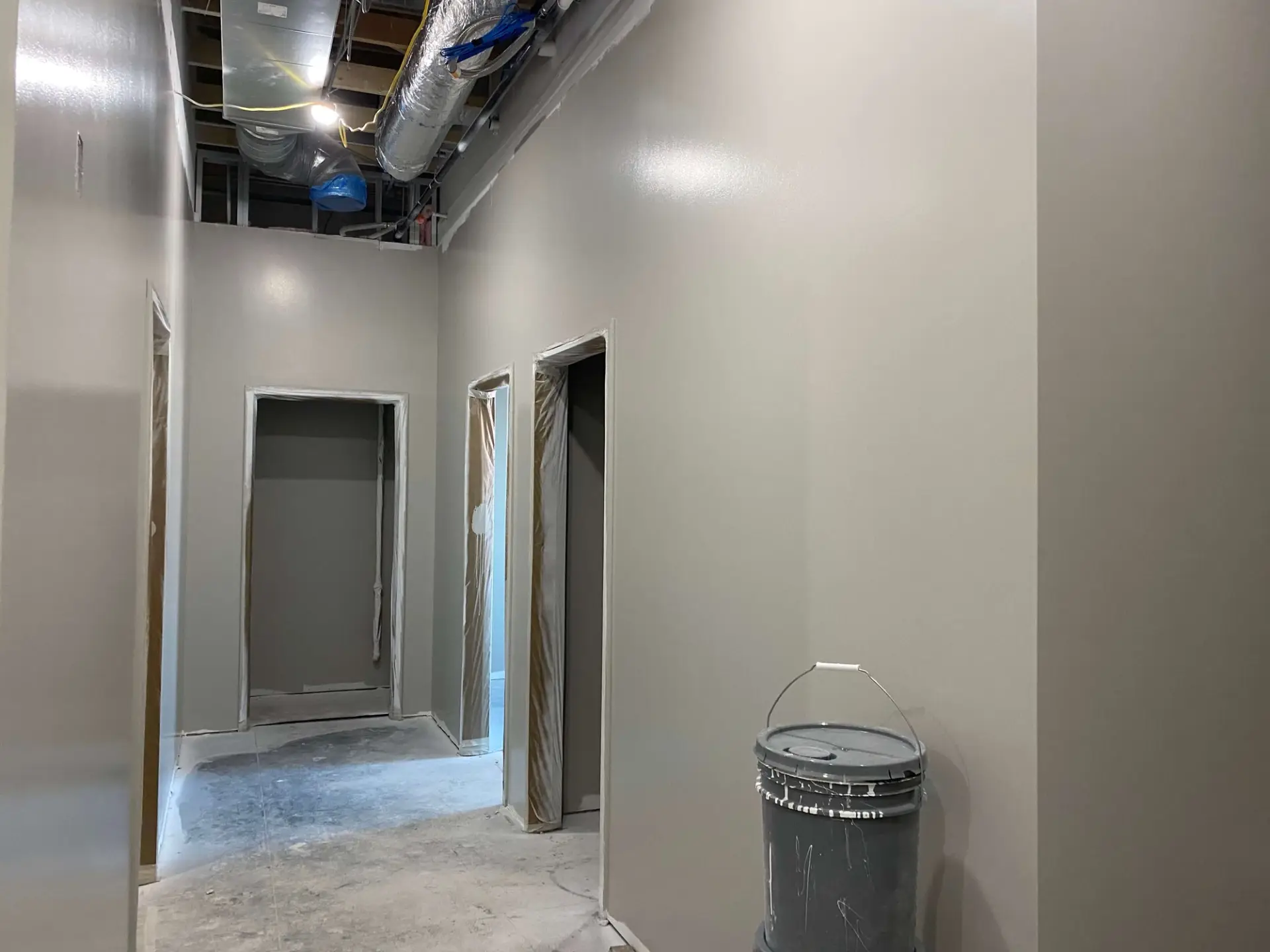
Make after-hours work specific
Evening or weekend work needs its own access plan. Confirm the person responsible for keys, alarms, lighting, approved ventilation arrangements and locking the building afterward. Establish a contact who can resolve a problem during the actual work period.
List building rules for noise, deliveries, waste and shared spaces. Ask whether the requested hours are available and how they affect the proposal; do not assume after-hours work is automatically included or that the next morning is always a suitable reopening time.
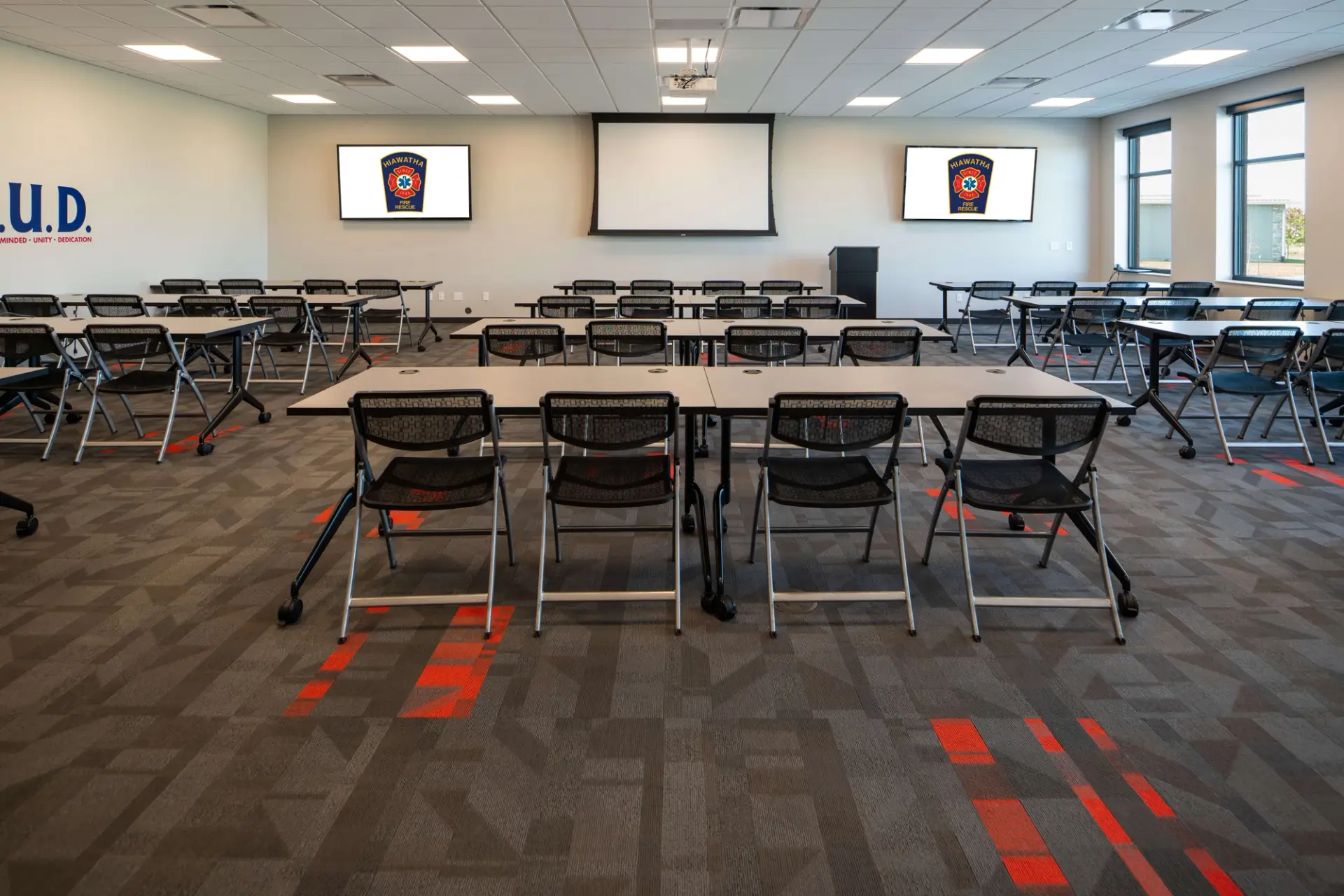
Plan the next operating shift
The end of a work period and release for normal use are separate decisions. Agree who checks the area, what product-specific restrictions remain, and how staff or tenants will be informed.
Keep access changes clear. Provide the building team with the current zone plan and any approved alternate routes. Where facility or safety requirements apply, have the responsible team approve the arrangement.
Build in decisions about changes
Unexpected surface conditions, a delayed repair or an unavailable room can alter the sequence. Decide who may approve a scope change and how a revised schedule will be communicated.
At the walkthrough, record unfinished items by location and agree the access needed to address them. Keep product, color and care information with the facility records.
Bring the zone list, operating hours and fixed commitments to Henry's commercial-painting service. The resulting schedule should make responsibilities and handovers visible, allowing the painting proposal to respond to the building's real working pattern.
Explore more of our work