
Coordinating Painting During a Tenant Improvement
Define approvals, existing surfaces and trade handoffs so the painting scope fits the tenant's planned use of the space.
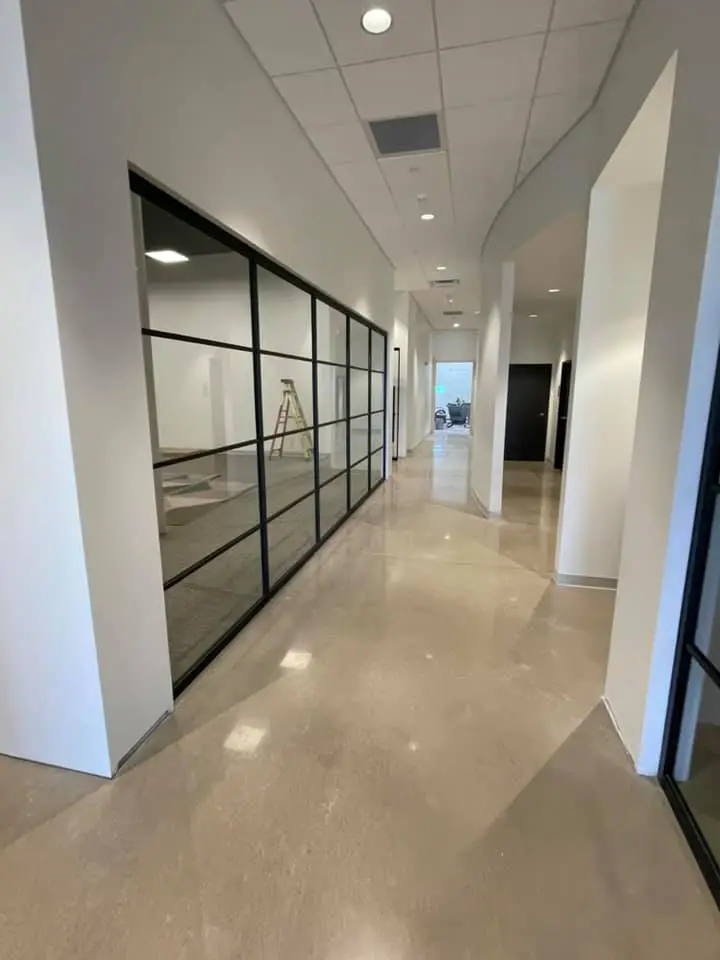
Painting during a tenant improvement sits among several other decisions: the lease requirements, the new room arrangement, repairs, fixtures and the intended move-in date. A clear painting scope identifies where it begins and what must be ready before each stage can proceed.
Start with the current drawings or a marked room list. Include the tenant contact, property representative and anyone authorized to approve finishes or scope changes. Make sure the people pricing the work are using the same version.
Separate retained surfaces from changed areas
Identify existing walls that remain, new partitions, repaired openings and areas affected by removed fixtures. Include ceilings, doors, frames, trim and any exposed details in the surface list.
Photograph the current condition before work changes it. Note which repairs belong to the painting proposal and which belong to another trade. If substantial wall repair is required, define the drywall work separately rather than burying it in an unspecified preparation allowance.
Confirm landlord and tenant approvals
Ask who approves colors, finish types and changes to existing building elements. Review the applicable property requirements before ordering materials or finalizing the schedule.
If the tenant is bringing a brand palette, arrange physical sample approval in the space. Specify how the approved colors apply to walls, doors and accent areas. Keep the sample record with the drawing or room schedule.
Define the handoff from other trades
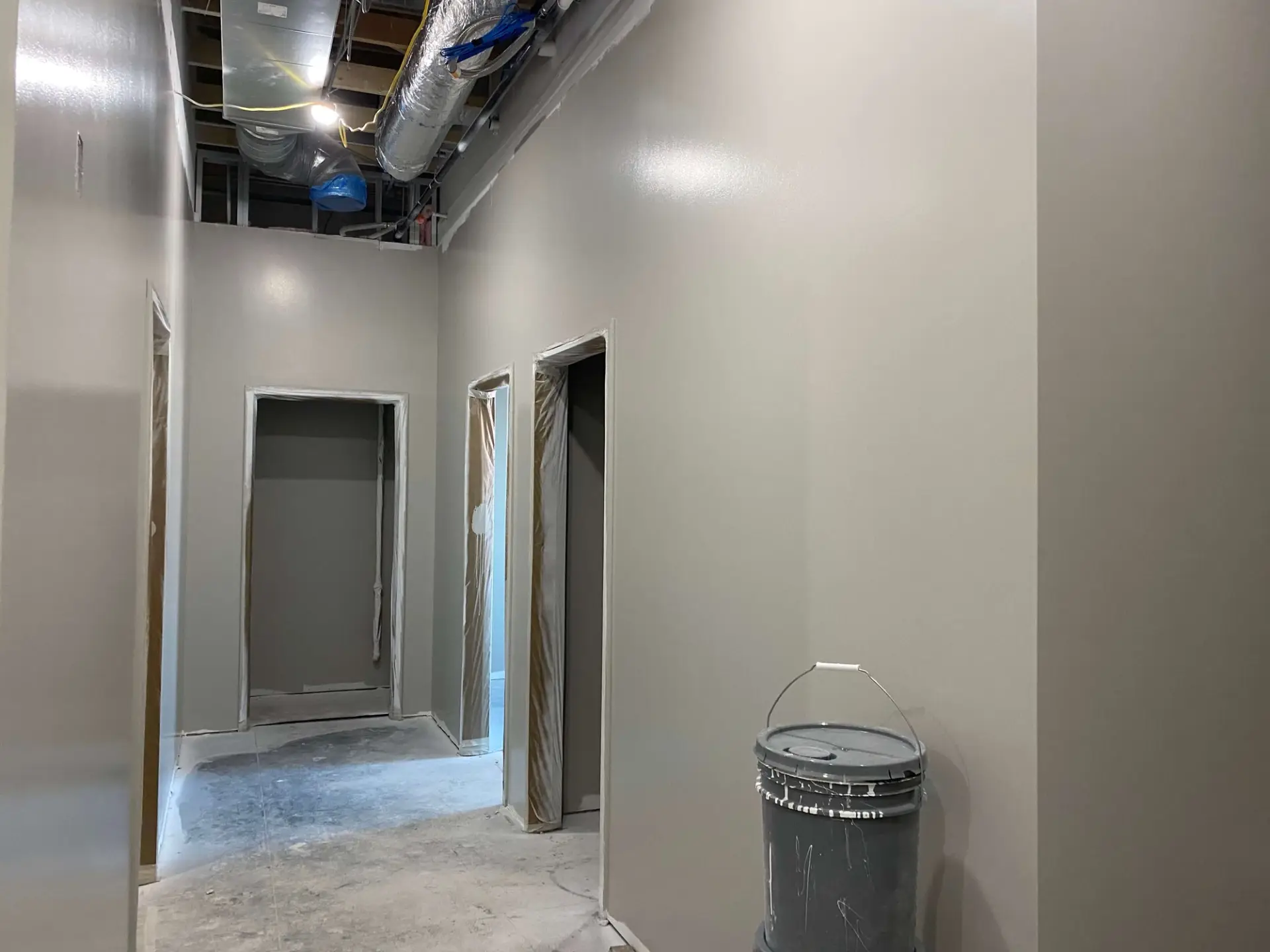
List the work that must be complete before painting, such as approved repairs or fixture changes. Decide who confirms that the area is ready and who resolves a surface that does not match the expected condition.
Also plan for work that follows painting. Furniture installation, signs, equipment and other fit-out activity may affect finished surfaces. Agree how any later touch-up request will be assessed and authorized instead of assuming it belongs to the original painting price.
Match the sequence to the premises
Determine whether the space is empty, partially occupied or connected to tenants who remain in use. Identify delivery routes, storage limits, noise rules and the available work periods.
Distinguish a target move-in date from the product-specific conditions for returning each painted area to use. Confirm who can approve a revised sequence if another trade is delayed.
Close out by room
Use the room list to review the completed scope, record remaining items and assign access for follow-up. Keep the approved colors, products and care information with the tenant and property records as appropriate.
If the lease includes future restoration requirements, retain the original condition photographs and the approved changes. Do not assume the painting contractor has determined those lease obligations.
Bring the current plan, approval requirements and trade schedule to Henry's commercial-painting service. The useful outcome is a painting proposal with clear boundaries, realistic dependencies and a documented handover for the space the tenant will occupy.
Explore more of our work