
What to Prepare for a Painting Estimate
Bring a clear project description, condition photographs and access preferences so the estimate can address the work you need.
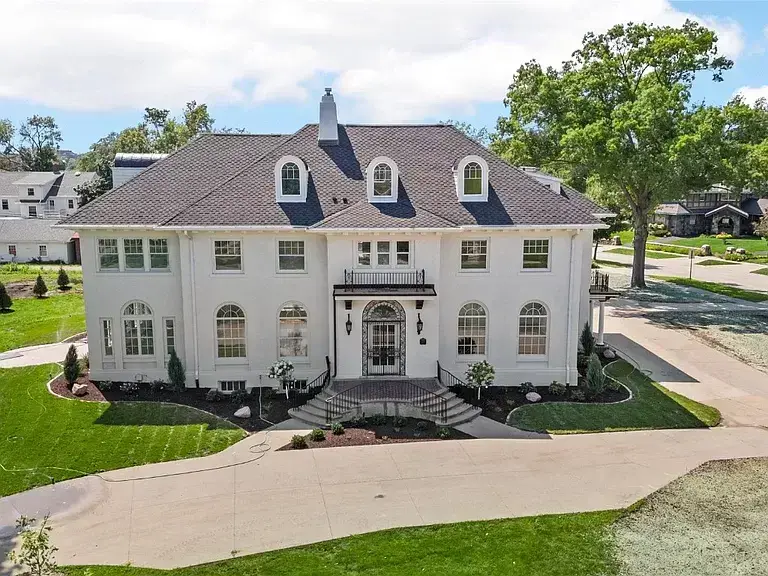
You do not need to know every paint product before asking for an estimate. You do need a useful description of the home and the change you want. Begin with the rooms or exterior areas involved, the surfaces you would like painted and any conditions you have noticed.
Separate the work you definitely want from ideas you are still considering. That allows the conversation to distinguish the main scope from optional additions without guessing which parts matter most.
Gather a few informative photographs
Take a room-wide or elevation-wide photograph first. Then add close views of peeling areas, cracks, stains, damaged edges or finishes you want to change. Include the adjacent flooring, counters, landscaping or other features that affect access and protection.
Describe known previous repairs or coatings if records are available. If you do not know a material or product, say so. A photograph can help start the discussion, while some conditions may need closer assessment before the work can be defined.
List the surfaces separately
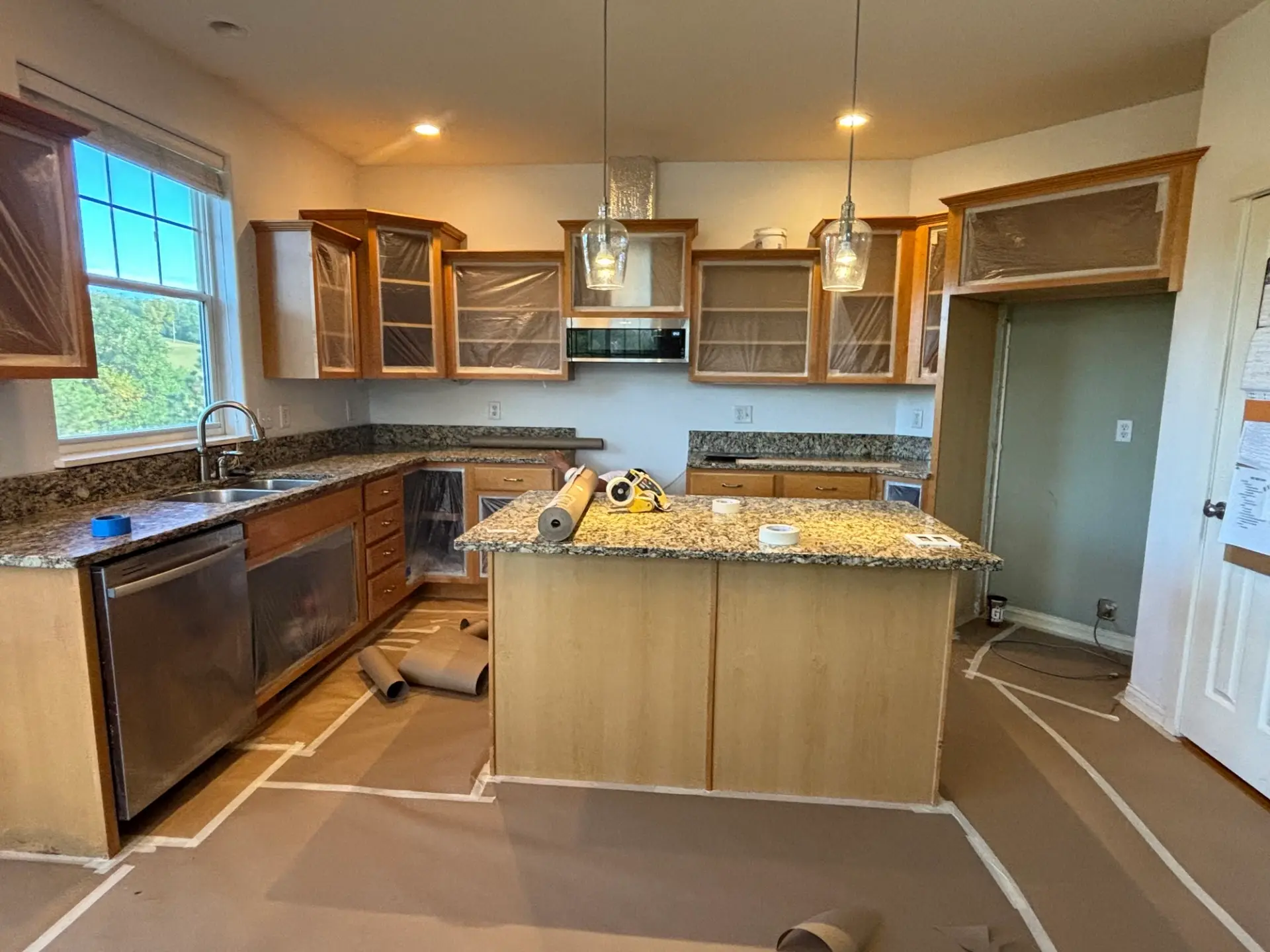
For interiors, distinguish walls, ceilings, trim, doors, closets and built-ins. For exteriors, name the siding, trim, doors and other elements you want considered. Cabinets should have their own surface and finishing discussion.
Identify what will remain unchanged. This helps define boundaries around an accent wall, a partial exterior repaint or a kitchen where only the cabinets are part of the project.
Explain how the property is used
Share your preferred timing, any fixed event and the access the household needs. Note pets, occupied bedrooms, shared entrances or areas that cannot be cleared together. Explain whether other work is planned before or after painting.
Ask what information is needed to assess those constraints. The schedule should be discussed alongside the actual preparation and finish requirements, rather than treated as a promise based only on the first photograph.
Review the written scope
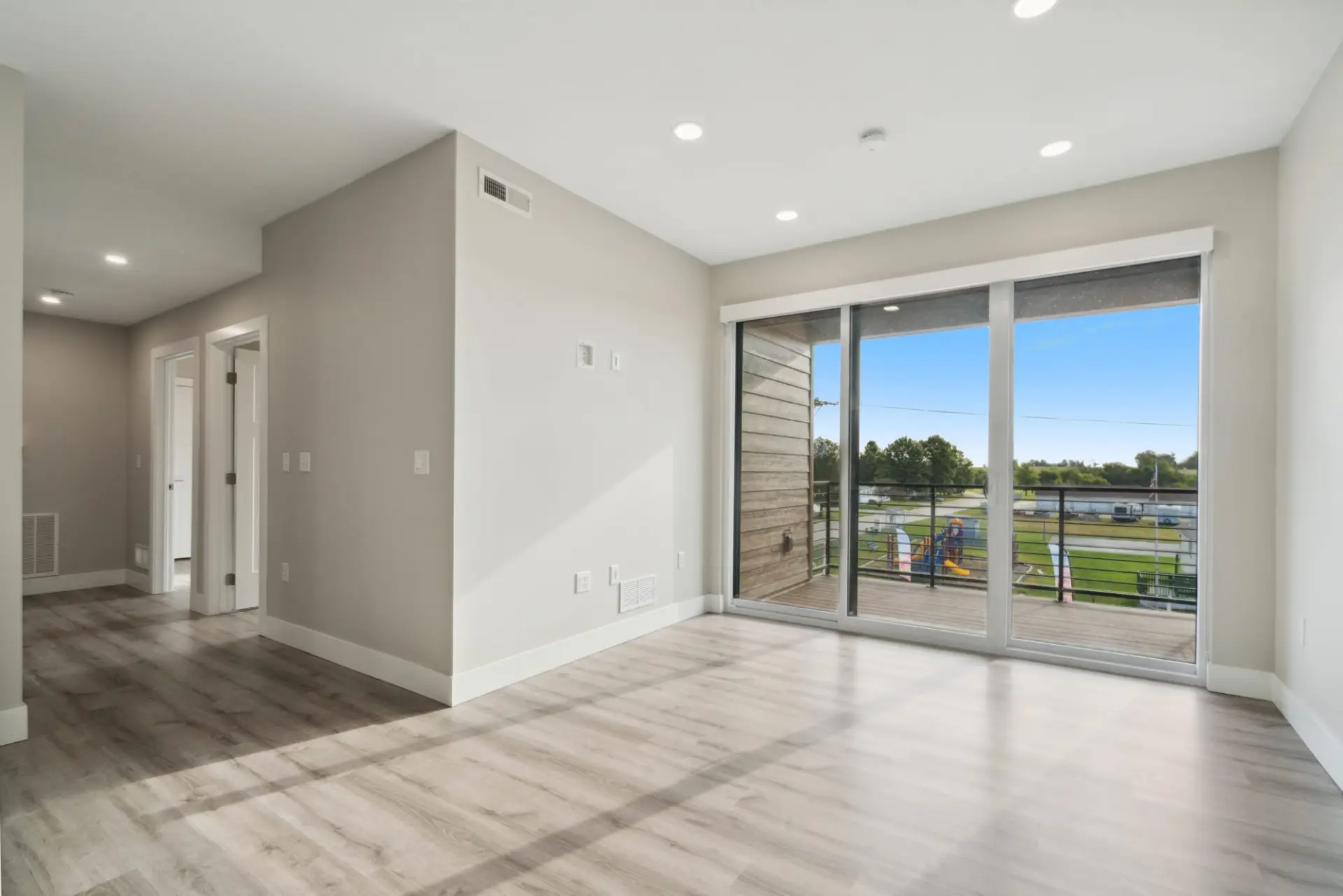
Check that the proposal names the included areas and surfaces. Look for preparation, repairs, finish selections or the process for approving them, protection and responsibilities for moving items.
Ask which items are excluded or still uncertain. If a condition may change the work after preparation begins, confirm how that decision will be documented and authorized.
Confirm the next decision
Before accepting the proposal, make sure you understand the next steps for color approval, access, scheduling and any payment terms actually stated in the agreement. Keep those records with the scope.
If you add a room, change a finish or expand the repairs later, ask for the effect on the agreed work to be documented. Clear changes are easier to track than a collection of separate verbal requests.
Start with Henry's residential-painting overview, or bring a defined interior, exterior or cabinet-painting request. The most useful estimate begins with an honest picture of the home and a clear account of the result you want.
Explore more of our work