
How Preparation Changes a Painting Estimate
Document existing conditions and distinguish included preparation from separate repairs before comparing painting proposals.
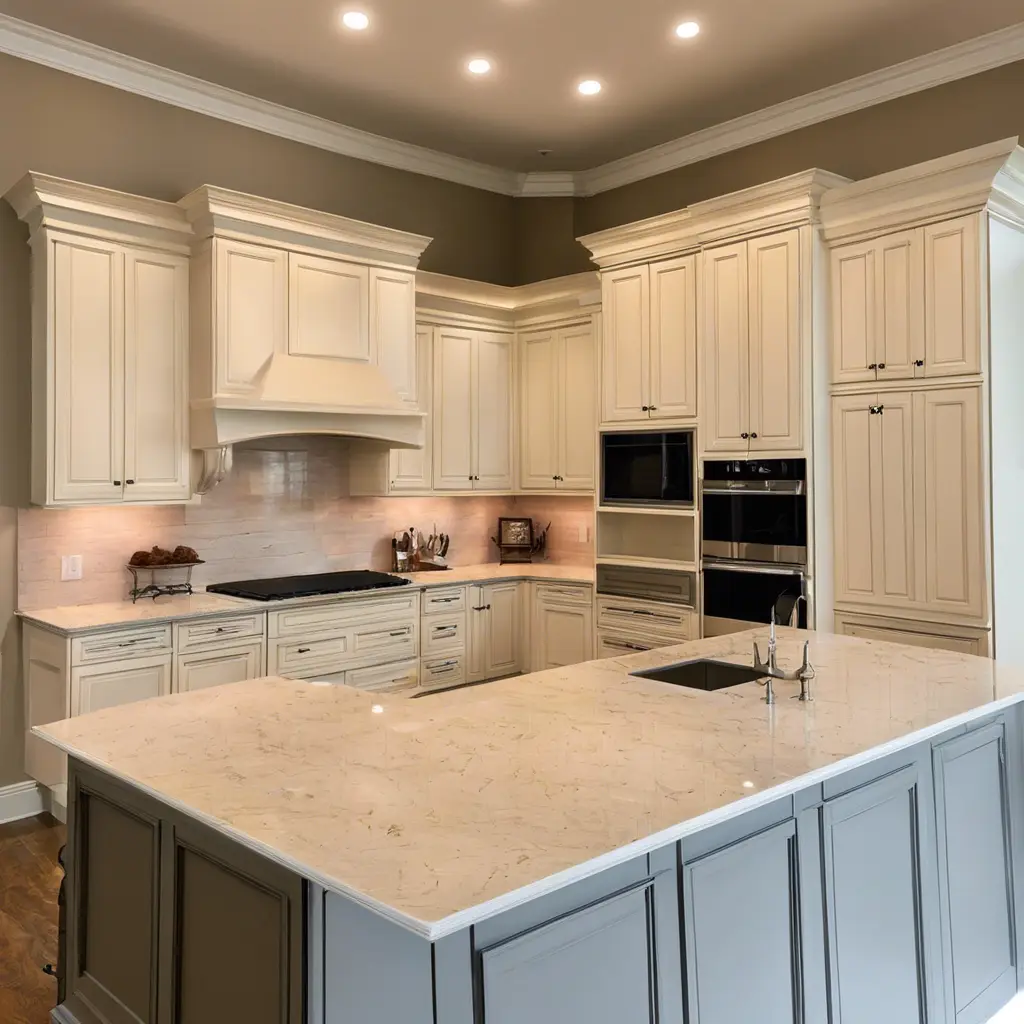
Preparation is work on the surface that already exists. Its scope depends on the material, the current finish, visible damage and the result being requested. A proposal that names only the final paint color leaves those decisions unresolved.
When comparing estimates, ask each contractor to describe preparation in terms of the property being assessed. The useful question is what work is included and why the identified surface needs it.
Document conditions before the conversation
Photograph broad surfaces and close details of peeling areas, old patches, stains, damaged trim or other concerns. Include any records of earlier coatings or repairs if they are available.
Explain what you know about the issue and what remains uncertain. A stain's appearance alone does not establish its cause. If another condition needs investigation or correction, identify that as a separate step before treating the surface as ready for finishing.
Break preparation into named tasks
Ask the estimate to describe cleaning, preparation of the existing coating, patching or repairs, priming and protection. Not every surface needs the same work, and a single phrase such as “standard prep” can mean different things in different proposals.
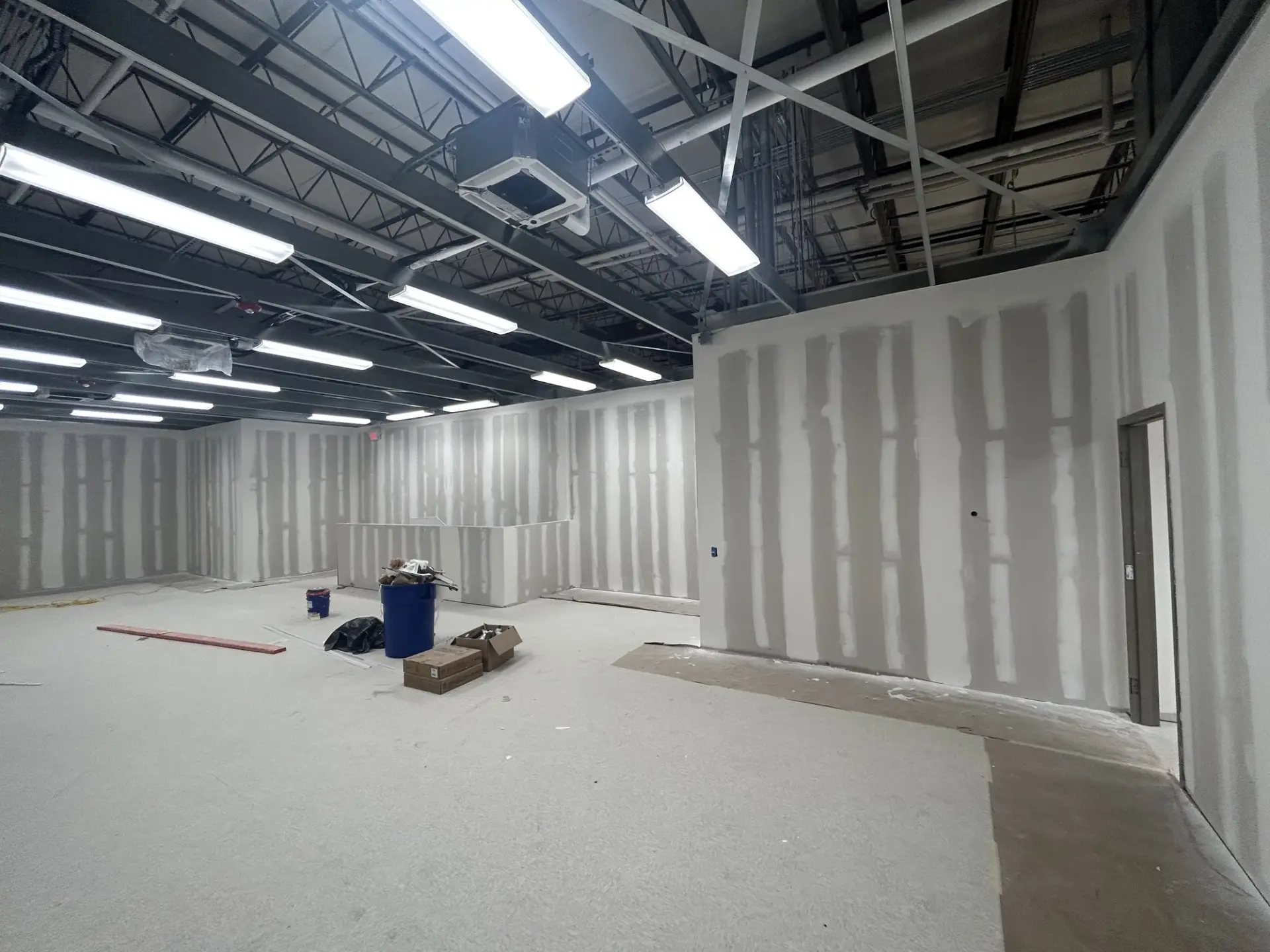
For interiors, distinguish minor preparation from substantial drywall work. For exteriors, distinguish coating preparation from replacement of deteriorated materials or correction of a separate building issue.
Agree on the expected appearance
Show the contractor the lighting and viewing conditions that matter to you. Discuss visible grain, existing texture, old repairs and damaged edges before selecting the final finish.
Ask what result the proposed preparation can reasonably produce. A color change and a change to the underlying surface appearance are separate requests. If you expect both, have both described in the scope.
Account for protection and access
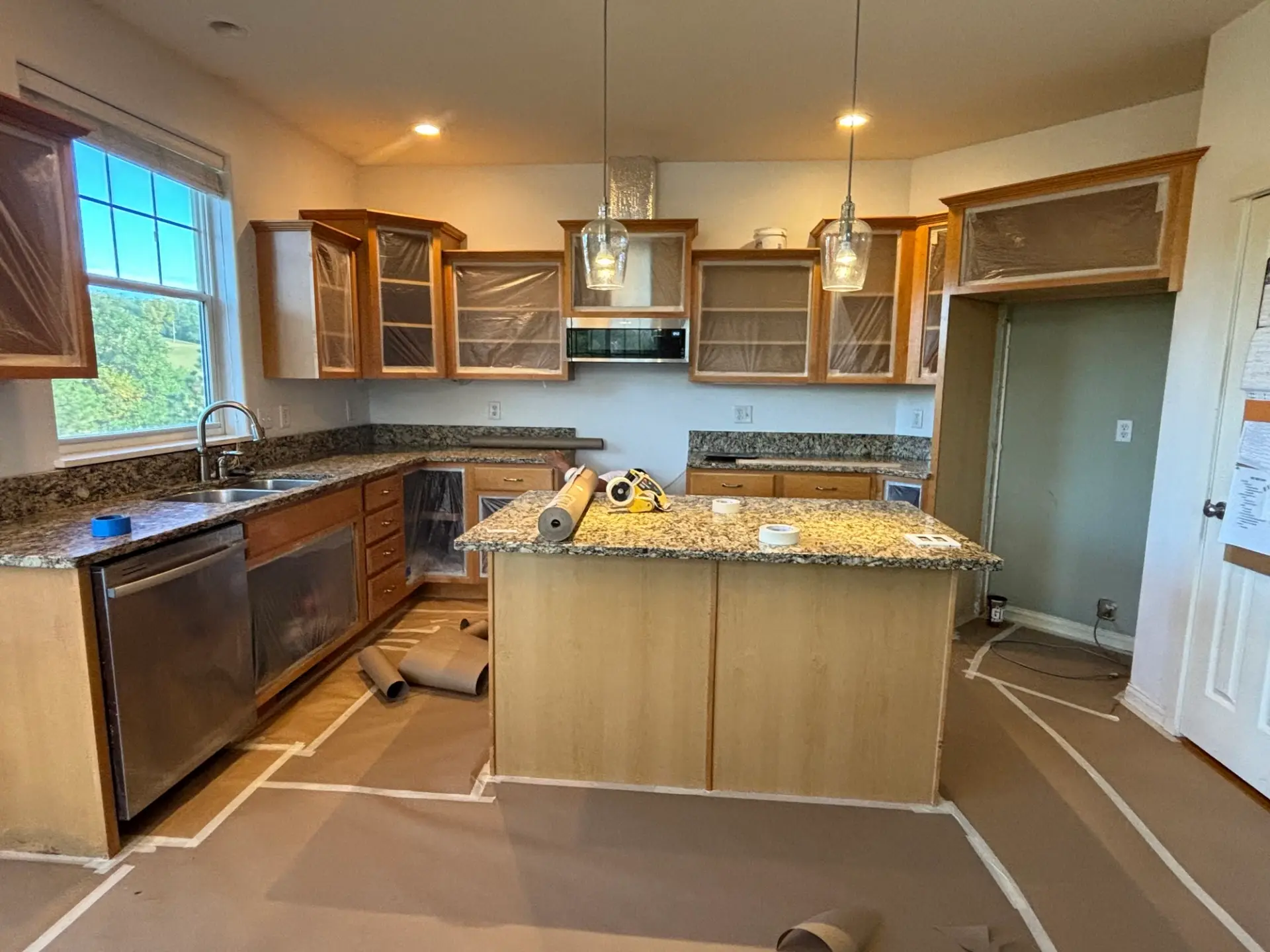
Preparation happens beside floors, furnishings, landscaping and other surfaces that may stay in place. Identify what must be moved, what needs protection and who is responsible for those tasks.
Include work at height, restricted areas and spaces that cannot be closed together. The access arrangement affects how the preparation can be carried out and should be reflected in the proposal.
Define uncertain work and changes
Some conditions require closer assessment before the repair can be finalized. Ask whether the estimate contains an allowance, a clearly excluded item or a defined follow-up decision.
Agree how additional findings will be photographed or described, who can authorize work and how any price or schedule change will be recorded. This keeps a necessary adjustment tied to the actual condition.
Compare preparation before comparing totals
Read the proposals beside the same photographs. Check that each addresses the requested surfaces, repairs and finish appearance. A difference in price may reflect a difference in included work that deserves clarification.
Bring the condition photographs to Henry's interior-painting or exterior-painting discussion. A clear preparation scope connects the estimate to the home and makes the finish decisions easier to evaluate.
Explore more of our work