
Planning a Fence-Staining Project: Sides, Sections and Access
A fence is more than its length. Map each side, gate and return, then confirm the existing finish, access and preparation before selecting a stain.
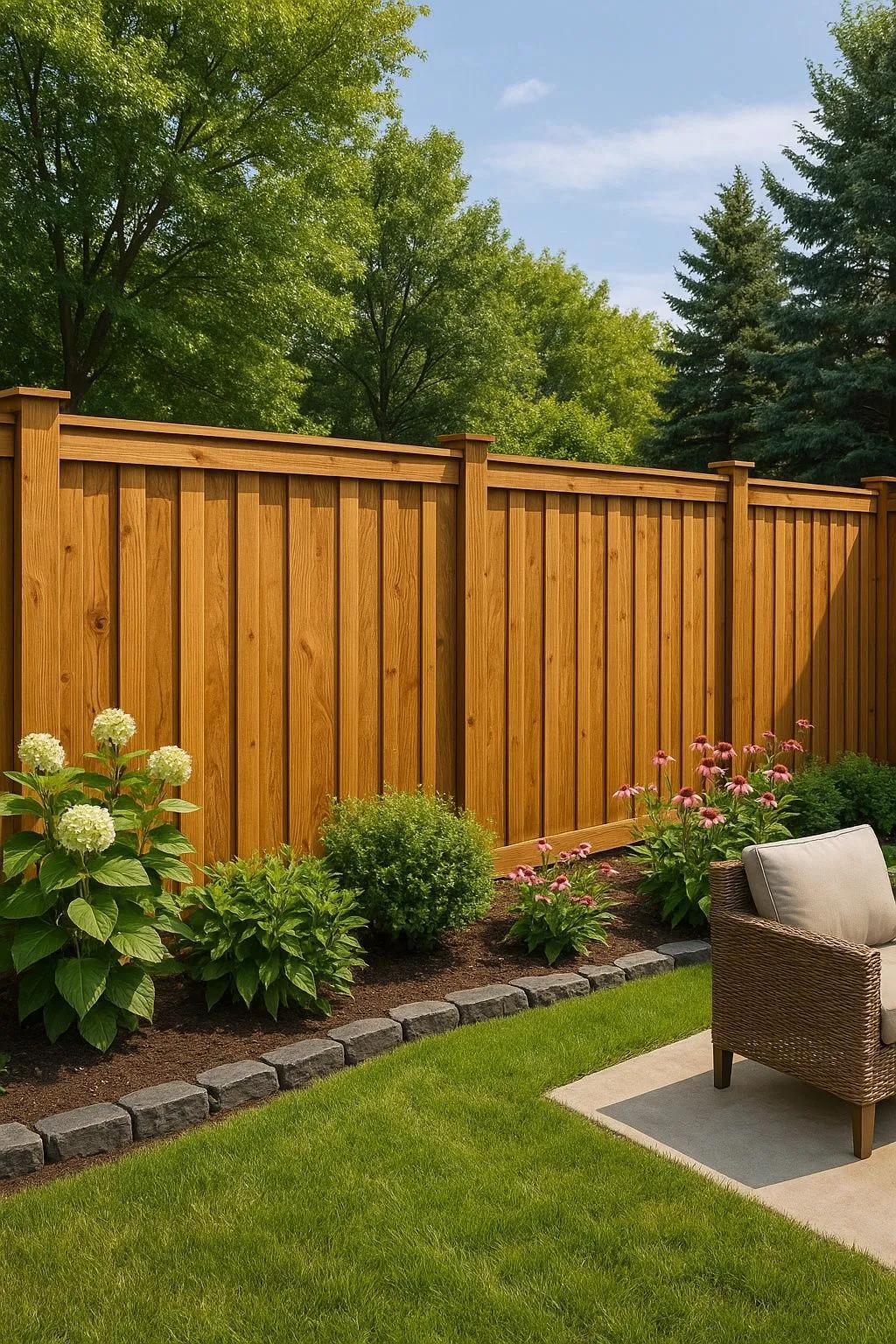
A fence-staining conversation becomes easier when the fence is divided into real sections. The street-facing side, garden side, gates and short returns may have different access or a different existing appearance. A total length alone does not explain all of those details.
Start with a simple sketch and several photographs. Mark where the fence changes direction, where planting touches it, and which gates need to stay usable. Those details help determine what can be assessed and included in a proposed finishing project.
Record the material and coating history
Identify the fence material as accurately as you can. Keep any records of the existing paint or stain, including leftover product labels. Two fences with similar color can have different finishes, and an image is not a reliable way to identify a coating.
Tell the estimator whether you want to preserve visible wood character or consider a different appearance. Then ask which options are compatible with the existing surface. A change from one finish type to another should be assessed as a preparation question as well as a color decision.
Define both sides and every separate component
List which sides of each section are included. Include posts, caps, rails, pickets, gate frames and the smaller edges you expect to see finished. A shared view of these boundaries prevents one person from picturing both sides while another prices only the accessible face.
Confirm who can authorize the work and arrange access to every side proposed for treatment. Do not assume that access on one side of a fence makes the opposite side available. Record any agreed limits in the project description before a crew is scheduled.
Identify condition questions before selecting a finish
Photograph damaged boards, loose components and places that appear persistently damp. Note whether vegetation, soil or stored materials prevent a complete inspection. Ask which concerns need repair or another assessment before preparation can begin.
Cleaning and coating decisions should follow the material and selected product instructions. Sherwin-Williams’ wood deck preparation guidance reinforces the general need for a clean, dry wood surface, but a fence still needs its own product and application requirements. A deck-care recipe should not automatically be transferred to every fence.
Coordinate protection and everyday access
Identify nearby vehicles, patios, siding, planting and outdoor belongings. Discuss how these will be protected during preparation and finishing, including areas on the far side of the fence. Plan a route that lets household members use the property without crossing the work area.
Pets and gates deserve a specific conversation. Agree when gates may be secured, who manages pets, and what temporary access arrangements are needed. Make the same plan for moving planters, hoses and stored equipment away from the proposed work.
Confirm the finished appearance and service scope
Ask where a sample can show the proposed finish on a representative surface. Review it beside the house, deck and permanent landscape materials rather than selecting from a screen alone. Keep the accepted finish information for future care.
Use Henry’s deck and outdoor service overview to describe the fence work you are considering and confirm whether it can be included in your project. Fence finishing, deck staining and structural repairs should each be identified explicitly in the estimate.
Explore more of our work