
Stucco and EIFS Before Repainting: Questions About Cracks and Finish
A textured exterior needs its wall system identified before repairs or coatings are chosen. Use condition records and a sample to connect repair decisions with the finished appearance.
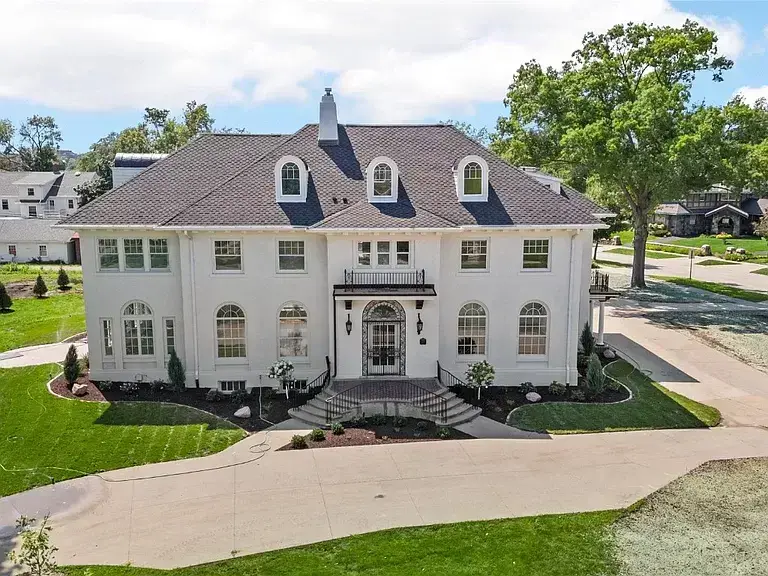
A textured exterior photograph does not reliably distinguish traditional stucco from an exterior insulation and finish system, often called EIFS. It also cannot show the full condition behind a crack or stain. Before choosing a repair material or coating, identify the wall system and the questions that need assessment.
The useful starting point is a record of what you can see, not a universal crack-filling method. Collect installation information, previous repair invoices and product records when available. Add wide elevation photographs and closer views of the areas that concern you.
Map each concern in its setting
Mark cracks, damaged areas and recurring discoloration on a simple elevation sketch. Include nearby windows, doors, roof edges and other transitions. Record whether the appearance changes after weather or has returned following an earlier repair.
Avoid treating a measurement or photograph alone as proof that a crack is only cosmetic. Ask which conditions require a specialist assessment and who will decide when the surface is ready for coating. That decision belongs before the color schedule.
Keep repair decisions tied to the wall system
Dryvit’s EIFS maintenance resources provide system-specific repair information. Their guidance is a useful reminder to identify the assembly rather than transfer a generic masonry or drywall repair approach to an exterior wall.
Request a written distinction between condition assessment, any repair work and the proposed finish. If separate specialists are involved, agree how their recommendations and completion information reach the painter. The estimate should state what is known and how additional findings will be addressed.
Discuss texture and color as separate appearance questions
A repaired area may need to relate to both the existing surface profile and the surrounding color. Ask how that relationship will be reviewed before work is repeated across a large elevation. A sample or agreed demonstration area can make the intended appearance more specific than the word “blend.”
Look at the sample from a normal viewing distance as well as nearby. Observe it in the light the wall receives. Do not assume that choosing the same color name makes every repair or coating transition invisible.
Define the edges of the proposed work
Identify whether the estimate covers a local repair area, a complete wall or multiple elevations. Mark architectural breaks, corners and adjoining materials. Discuss how windows, doors, planting and paved areas will be protected during the agreed work.
Also account for access. A wall above an attached porch or beside a narrow side yard may need a different plan from the ground-level front elevation. Those conditions belong in the project discussion even when the finish color remains unchanged.
Keep a record of the agreed system
Ask for the product names, repair information and care instructions that apply to the finished work. Keep these with photographs of the completed areas and the earlier condition record. If a concern returns, that history is more useful than trying to identify the last repair from its appearance.
Discuss the exterior project with Henry’s, identifying the textured areas and any known system information. Confirm the appropriate repair and coating scope after assessment rather than treating every stucco-looking wall as the same surface.
Explore more of our work