
Before Painting Vinyl Siding: Condition, Color and Product Compatibility
Vinyl repainting decisions start with sound siding and a compatible coating and color. Bring material records and complete elevation photos to the estimate.
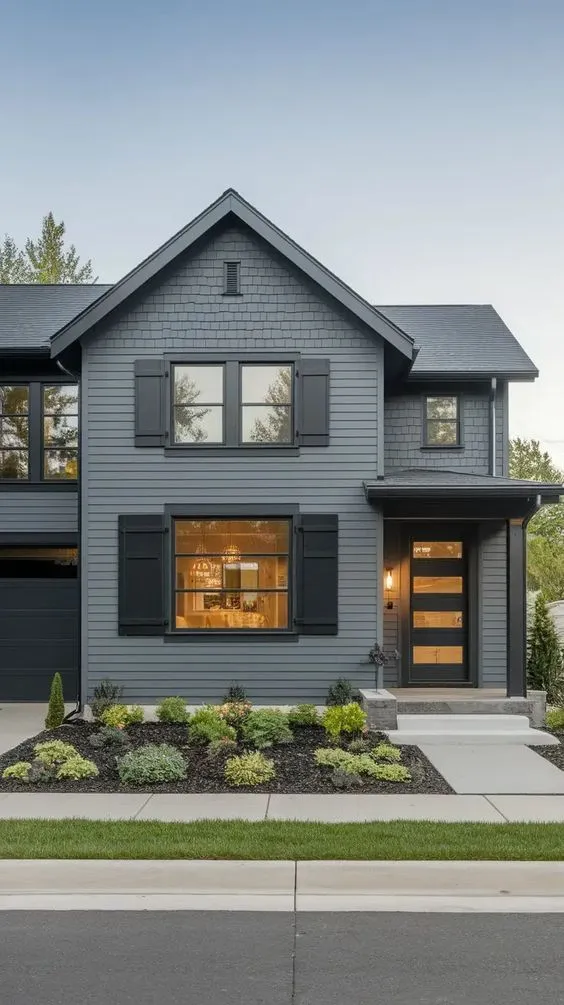
Changing the color of vinyl siding is a material decision as well as a design decision. A color that looks right beside the roof or stone still needs to be suitable for the particular siding and coating system. Start by identifying the siding and the condition of the panels before treating a reference image as a specification.
If you have the original product information, installation documents or warranty, gather them for the estimate. Include any records of previous painting or repairs. These can help the discussion move beyond a guess about what is on the house.
Review the panels before selecting a finish
Point out distorted, loose, cracked or damaged sections, along with concerns around openings and transitions. Photograph each area in context. Ask which conditions need repair or assessment before painting is considered.
A coating should not be used to hide a decision about the siding’s condition. The proposal should identify the surface intended for painting and any work that must be completed first. If the suitability of a section is uncertain, resolve that question before committing to a full-house color change.
Match the exact color to an appropriate system
Sherwin-Williams’ VinylSafe information describes approved color options for specified coatings on sound, stable vinyl. That is a product-system relationship, not permission to use any dark paint on any panel.
Ask for the exact product and color designation proposed, and compare those choices with the siding manufacturer’s current instructions. If warranty considerations matter to you, resolve them with the relevant manufacturer before work starts. This article does not promise that repainting preserves a particular warranty.
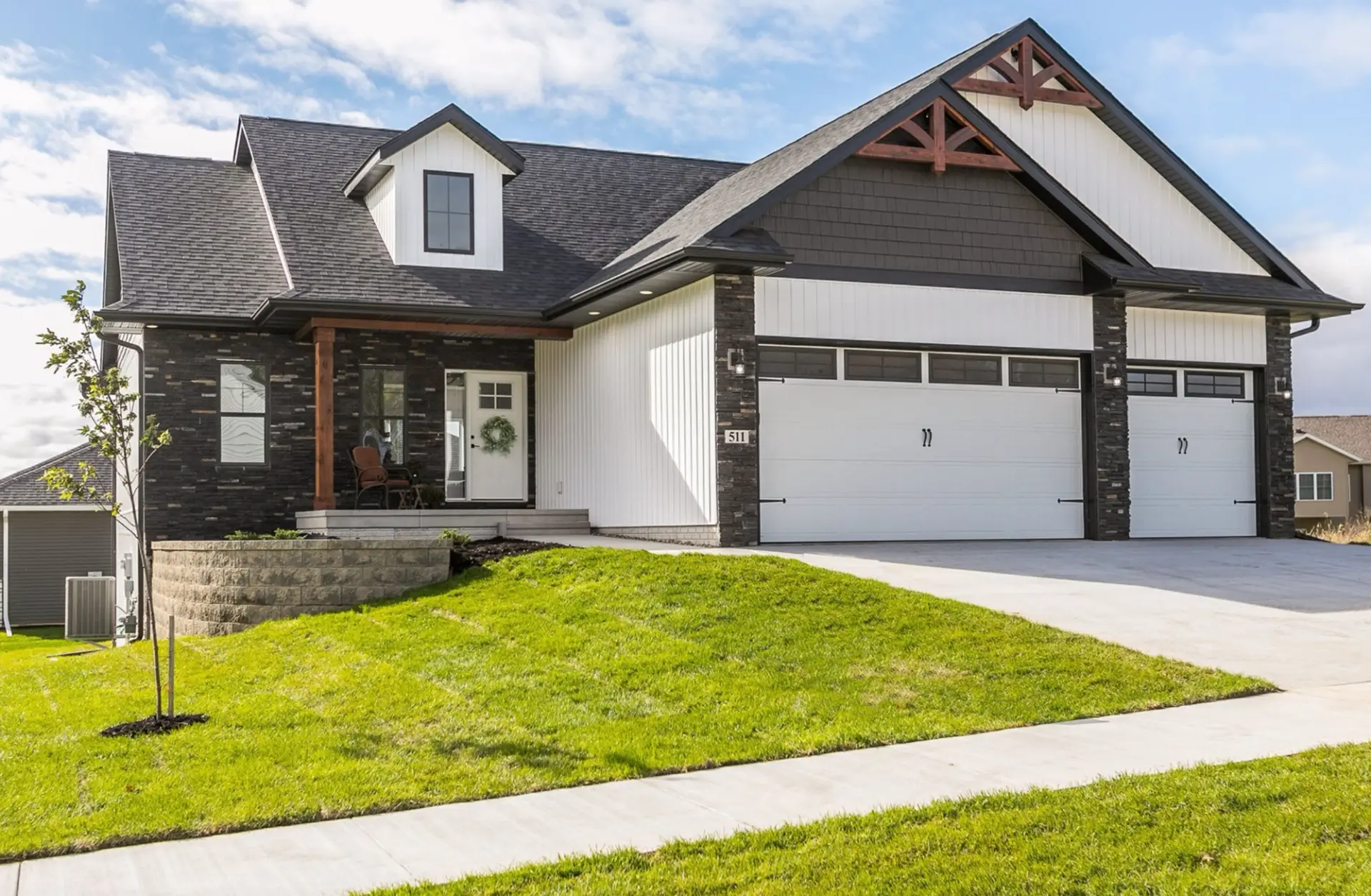
Evaluate the palette with the fixed materials
View samples beside roofing, brick, stone, window frames and other elements that will remain. Include both shaded and more exposed elevations in the color discussion. A screen image can communicate a direction, but it cannot reproduce the conditions around your home.
List trim, doors, garage doors and other painted surfaces separately. Coordinating the palette does not mean using one product or preparation approach on every material. The estimate should keep those distinctions visible.
Define preparation and protection
Ask how the existing surface will be evaluated and prepared for the selected system. Identify landscaping, windows, fixtures and adjacent finishes that need protection. Discuss access to upper sections and areas above porches or other additions.
Keep drainage and ventilation details in the conversation rather than assuming every joint should be sealed or painted alike. The work should account for the actual assembly and the manufacturer’s instructions. Avoid substituting a generic washing pressure, primer or drying interval for a project-specific plan.
Make the proposal easy to review
A useful written proposal identifies the included elevations, repairs, preparation, exact coating and color, adjacent trim work, and expected sequence. Record any unresolved condition that could change the work and how that change will be discussed.
Start an exterior-painting conversation with Henry’s using your siding records, full-house photographs and the palette you are considering. Material compatibility and a clear scope give the color decision a sound basis.
Explore more of our work