
Drywall Repairs Before Painting: Patches, Nail Pops and the Finished Wall
Paint preparation and drywall repair are related but different scopes. Map defects, explain recurrence and agree how the repaired area will relate to the full wall.
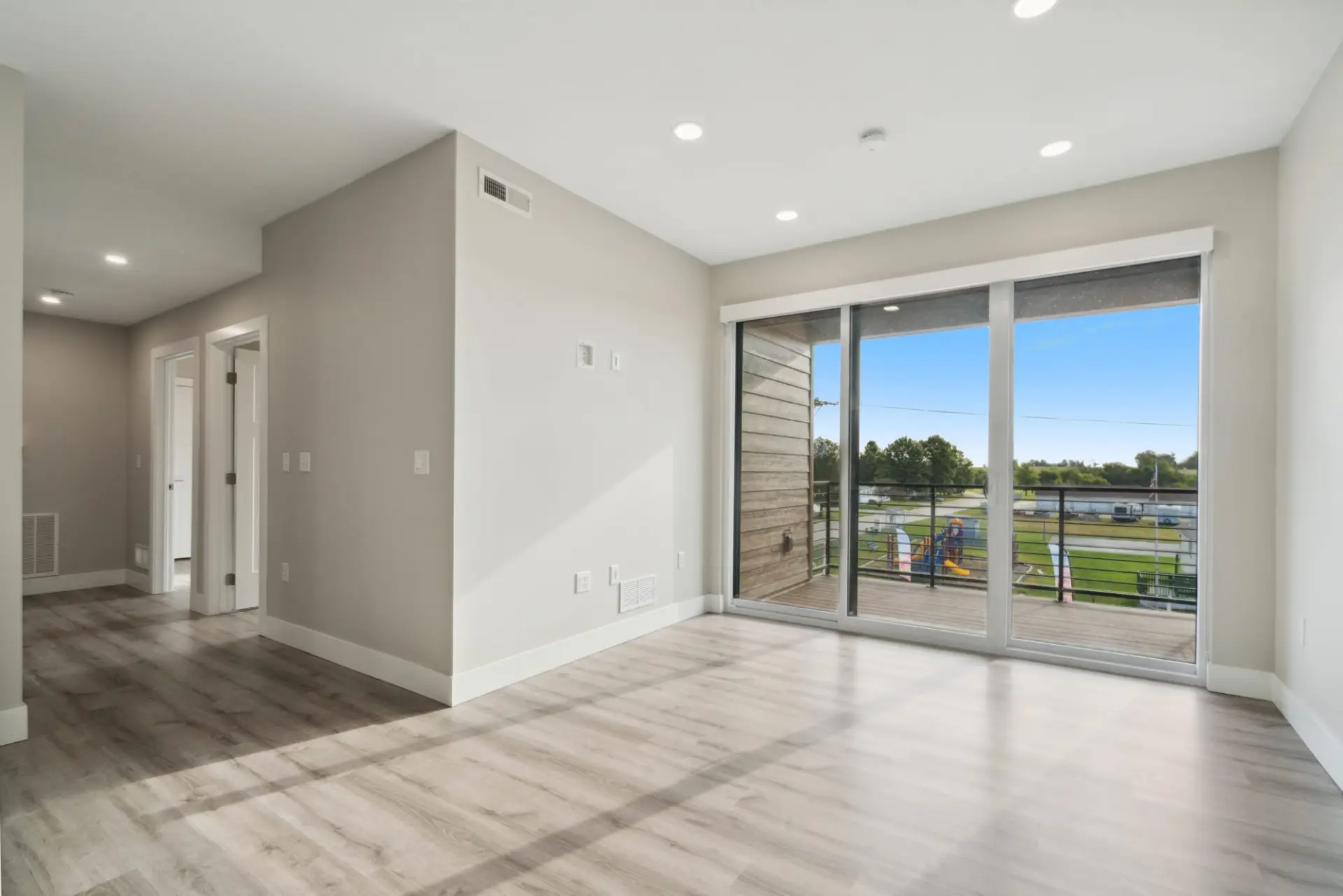
A drywall repair should be discussed in the context of the whole wall. An isolated hole, a row of raised fasteners and a crack that has returned after earlier patching are different starting points. A coat of paint is the final appearance decision, not an explanation of why a defect appeared.
Before the estimate, photograph the room and each area of concern. Note any previous work and whether the condition has changed. That information helps distinguish routine painting preparation from a separately defined drywall repair.
Map the visible defects without diagnosing them
Identify holes, dents, torn surface paper, visible seams, raised fasteners and cracks. Give each concern a location so it can be discussed during the walkthrough. If a crack or nail pop has returned, include that history rather than treating it as a new isolated mark.
Ask who will assess recurring or uncertain conditions before finishing. Do not assume that every crack is cosmetic or that repeatedly covering it will resolve the cause. The proposal should state which repairs are included and how additional findings will be handled.
Describe the existing wall finish
Tell the estimator whether the wall is smooth or textured and show adjacent areas that will remain. A repair needs to relate to the surrounding surface, not just fill an opening. Ask what preparation and texture work are proposed around the repair.
If your goal is to change an entire textured wall to a different appearance, identify that as a separate scope. It should not be implied by an estimate for a small patch. The same distinction applies when several old repairs create a broader appearance concern.
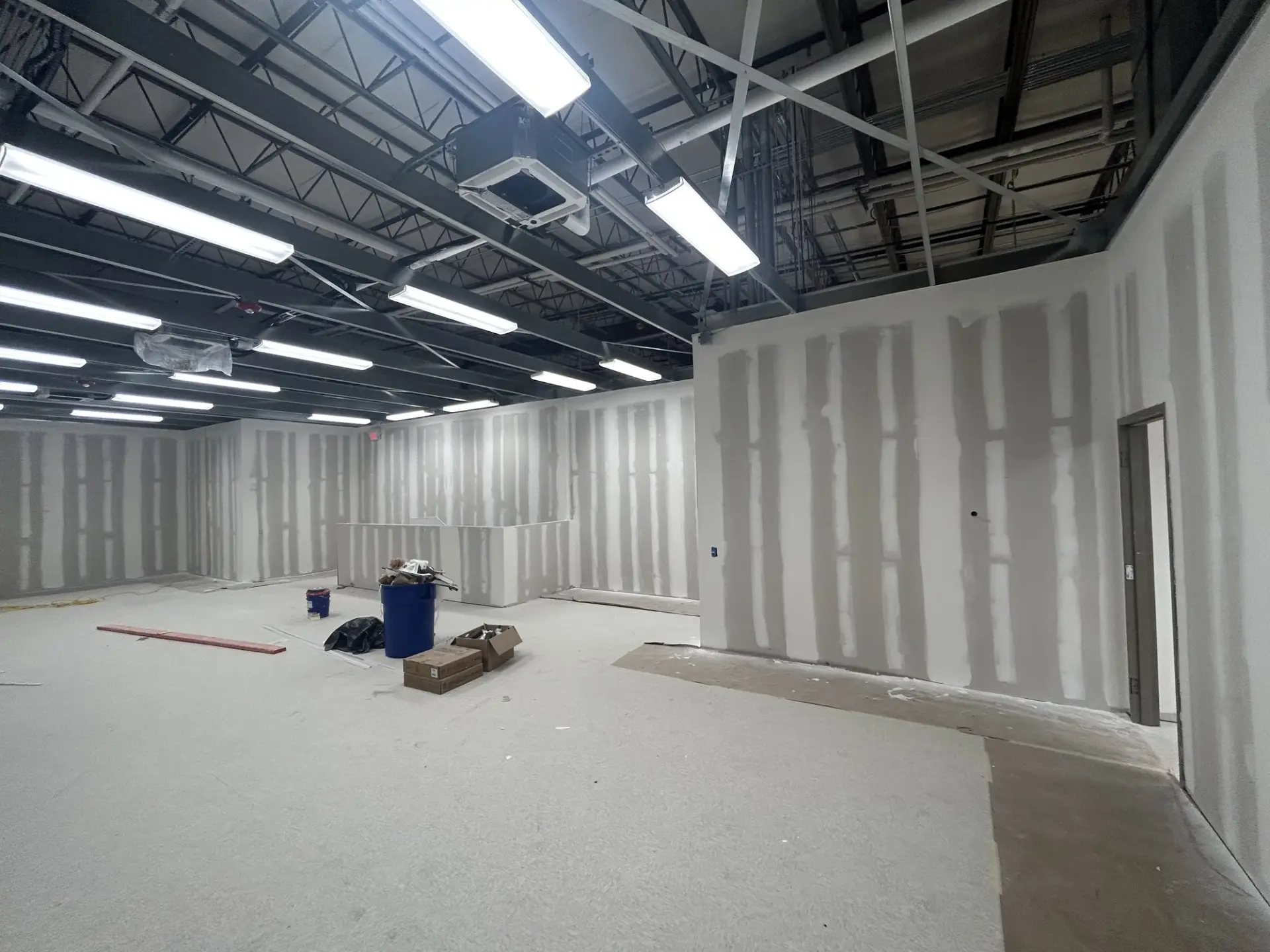
Review lighting and decoration together
Notice the windows and fixtures that cast light across the wall. A condition that is hard to see head-on can become more apparent from the side. Bring those ordinary room views into the preparation conversation.
USG’s gypsum-finishing guidance connects finishing expectations with lighting and the final decoration. Discuss the desired appearance before the repair and paint are treated as separate decisions. A dark color, gloss preference or strongly lit wall may warrant a closer review of the proposed finish.
Agree how far repainting will extend
Ask whether the plan includes only a local touch-up, the full wall or additional connected surfaces. The available paint, existing appearance and room layout all belong in that decision. An identical color name does not by itself guarantee an inconspicuous spot repair.
Record the boundary in the estimate. If several rooms have repairs, list them individually so that each repaired surface has a corresponding finish plan.
Coordinate the repair with the room
Discuss furniture, access, protection and the sequence between repair work and painting. Ask how the room will be left between phases and when it can return to normal use. Avoid promising that every repair follows the same timetable regardless of materials and conditions.
Review Henry’s drywall services for work beyond ordinary painting preparation, then connect the agreed repairs to the interior-painting plan. A clear repair record and defined repaint area make the finished result easier to assess.
Explore more of our work