
Exterior Painting Preparation in Iowa: Build the Plan Around the Surface
An exterior preparation plan should explain cleaning, existing coatings, repairs and protection for each material. Keep these decisions connected to the actual conditions and finish system.
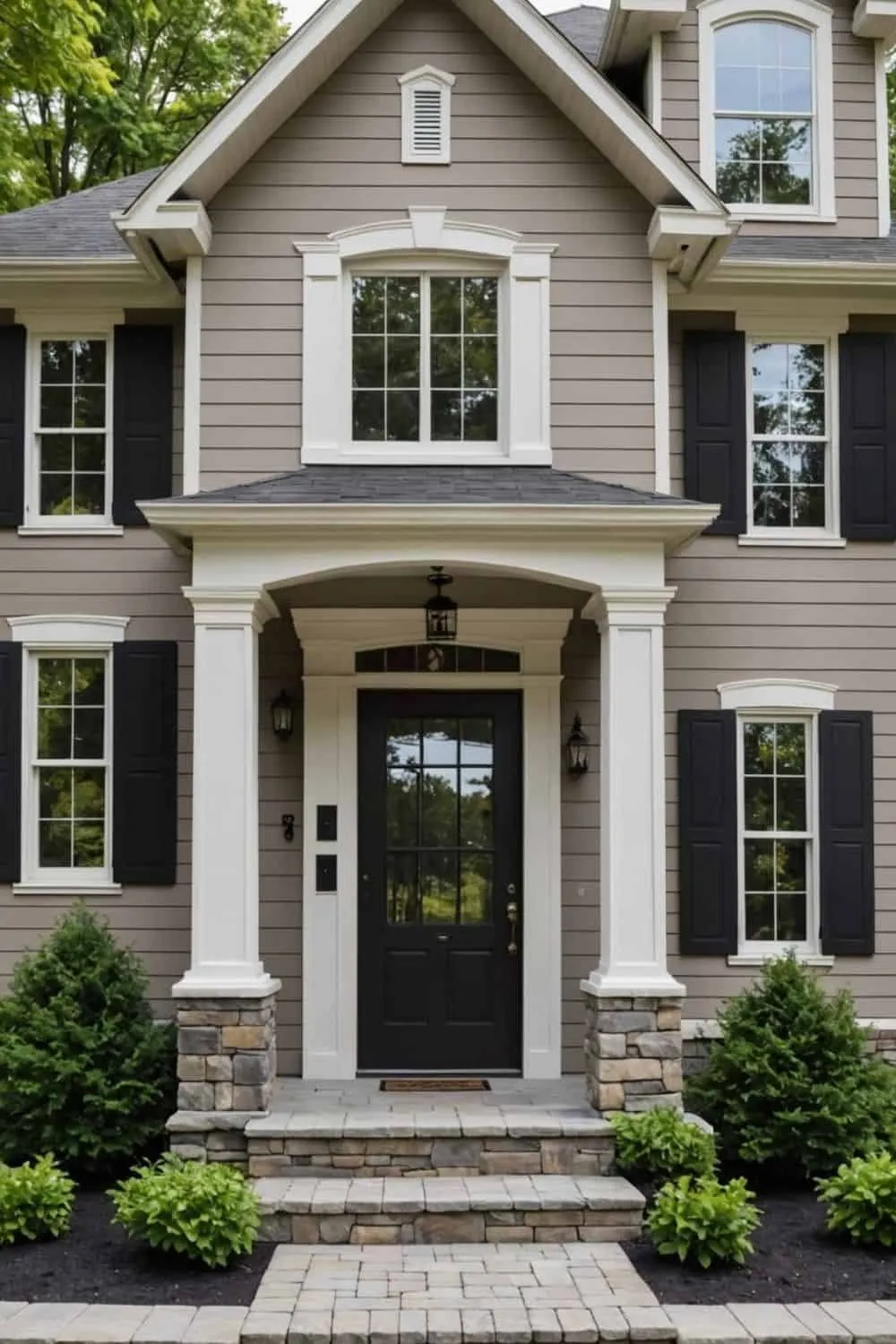
Exterior preparation is a set of decisions about the house in front of the painter. Wood siding, vinyl, masonry and metal details can appear on the same elevation without sharing one preparation method. A useful estimate names those materials and explains how their conditions affect the proposed work.
Begin with photographs of every included elevation. Add closer views of damaged areas and information about previous finishes or repairs. The purpose is to make the preparation scope understandable before the final color becomes the main topic.
Identify materials and coating history
List siding, trim, doors, railings and other proposed surfaces separately. Mark anything you cannot confidently identify. Product records and earlier invoices can be useful, particularly where a surface has already been repainted.
Ask how compatibility will be assessed before the new system is chosen. A broad phrase such as premium exterior paint does not explain what is suitable for each existing material. The proposed product and any primer should follow the assessment and manufacturer instructions.
Describe cleaning by purpose and surface
Ask what contamination or residue needs to be addressed and which cleaning approach suits the material. Washing is not a complete specification by itself. Include the condition of the existing coating and nearby openings, fixtures and landscape features in the discussion.
A general article should not prescribe one pressure setting, cleaning chemical or drying interval for every house. Ask how the surface will be checked for readiness after the agreed preparation. That keeps cleaning connected to the finish system rather than treating it as a separate checkbox.
Separate paint preparation from repairs
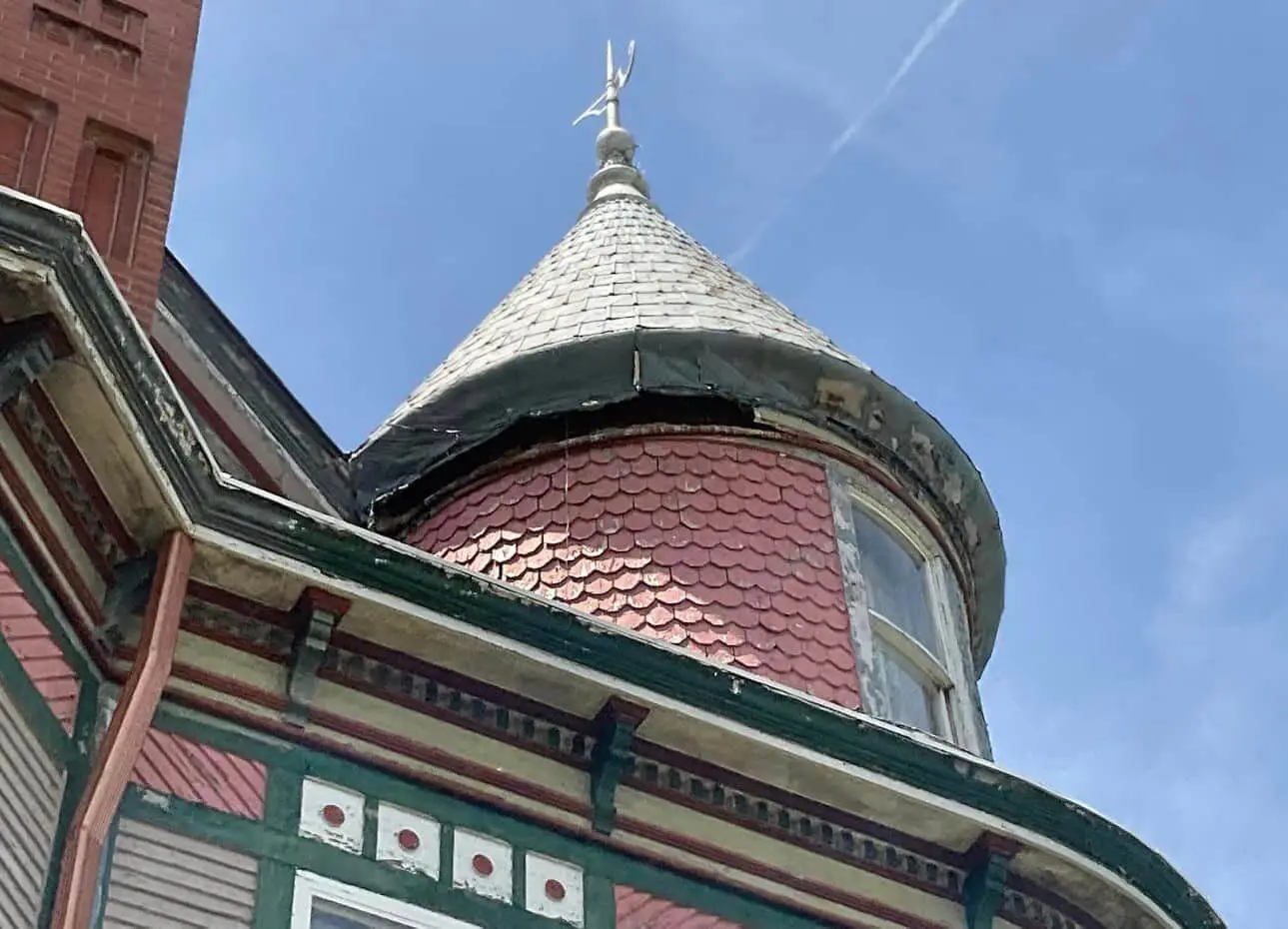
Point out damaged boards, open joints, recurring stains and areas that look persistently wet. Ask which concerns can be addressed within painting preparation and which require a separate repair or assessment. Identify who owns each task and when it must be completed.
If older paint will be disturbed, discuss the age of the home before choosing a method. EPA’s consumer renovation guidance addresses planning for pre-1978 painted surfaces. Confirm the appropriate assessment and qualifications without assuming that every existing coating can be handled the same way.
Account for protection and access
List windows, roofing, paving, vehicles, plants and adjoining surfaces that need protection. Discuss access above porches, along narrow side yards and near occupied entrances. Agree which belongings must move and who will move them.
Include nearby work in the same schedule discussion. Roof repairs, siding replacement or landscape construction can change access or affect newly finished surfaces. Each contractor needs a clear sequence and an identified point of contact.
Make weather decisions product-specific
Ask how the chosen coatings’ application requirements will be checked against actual surface and weather conditions. A preferred date is useful for planning, but it does not replace those checks. Agree how a changed work window will be communicated and which areas can remain available meanwhile.
Retain a preparation record
The written scope should identify the surfaces, agreed cleaning and preparation, separate repairs, proposed system and work boundaries. Keep any approved sample information and record how newly discovered conditions will be discussed.
Plan your exterior repaint with Henry’s using that material-by-material description. It makes the preparation work easier to compare, the sequence easier to understand and the final review easier to connect to what was agreed.
Explore more of our work