
Damaged Wood Before Painting: Separate Repair From the Finish
Suspected wood damage needs assessment before it becomes a painting detail. Record the condition, identify repair responsibility and define the surfaces that will receive the finish.
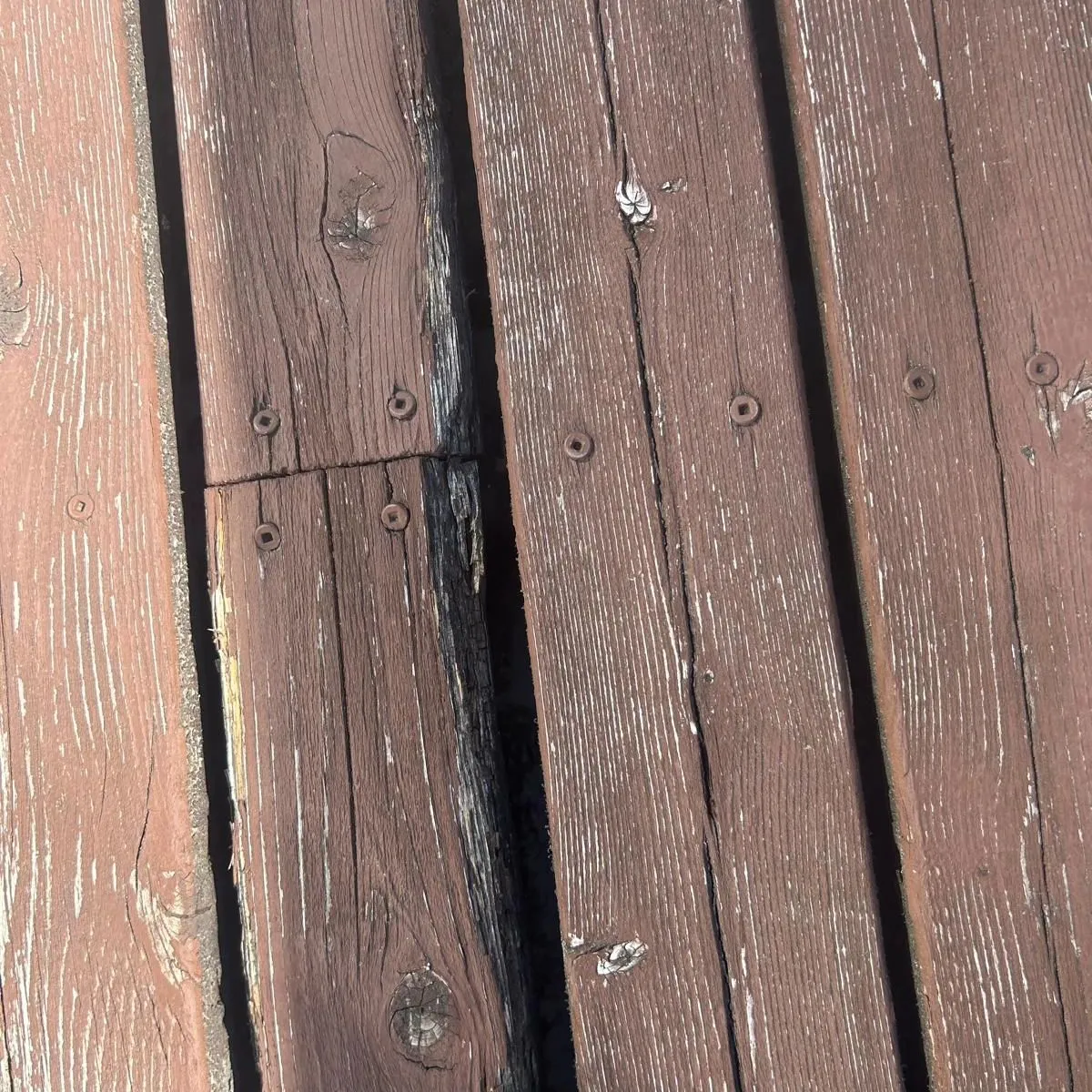
Damaged wood at siding, trim or another exterior component should be discussed before a repaint is priced as a straightforward color change. A photograph can show a concern, but it cannot reliably establish its depth, cause or effect on the component.
The useful first step is to identify the location and history. Note areas that appear broken, repeatedly wet or different from the adjacent wood. Include any earlier repair records. Ask for an assessment before choosing a filler, replacement approach or coating.
Make the condition easy to locate
Use a wide view of the elevation and a closer view of the concern. Mark whether it is at a window, door, roofline, siding edge or another transition. Record when you noticed it and whether it has changed after weather.
Do not use a new paint color to distract from an unresolved condition. The estimator needs a clear view of the work being considered, including places that may need another specialist or a separate repair scope.
Separate the assessment from the repair choice
Ask who will determine whether a component can be repaired, needs replacement or needs further investigation. The answer should follow the material and its condition, not a promise that every damaged area can be filled.
For a deck, rail or other component that affects use of the outdoor structure, begin with an appropriate construction assessment. Deck construction planning and finishing are separate decisions. A coating does not establish that a damaged structure is ready for normal use.

Identify the source of recurring problems
If the same area has deteriorated after earlier work, include that history. Ask what surrounding conditions need review before the next repair is finished. This could involve a separate contractor or building component, and the written plan should identify who is responsible.
Keep repair records with the painting scope. The painter should know which surfaces are new, which were repaired and which remain unchanged. That information helps the selected preparation and coating follow the actual substrate.
Coordinate replacement details with the finish
If replacement is part of the agreed work, discuss the visible profile, dimensions and meeting points with existing material. A new piece may need to relate to nearby trim without implying that every adjoining component will also be replaced.
Ask how the selected material and coating will be prepared and finished according to their instructions. Product choice, color and sheen should be confirmed after the repair plan is known. Do not assume that new and old materials automatically take the same preparation.
Define the repaint boundary
Decide whether the finish scope includes the repaired component, a connected trim run or a larger elevation. Discuss how that boundary will look beside the existing finish. A small repair does not automatically determine the most appropriate visible stopping point.
Keep photographs and the final material information with the completed scope. If a concern returns, that record supports a clearer conversation about the condition and work already performed.
Bring the exterior project to Henry’s with the damaged locations identified. A clear repair responsibility and an agreed finishing boundary let the painting follow the resolved condition instead of obscuring it.
Explore more of our work