
What Shapes a Painting Project Timeline?
A painting schedule depends on decisions, preparation, access and the selected products. Plan milestones and return-to-use instructions without relying on a generic number of days.
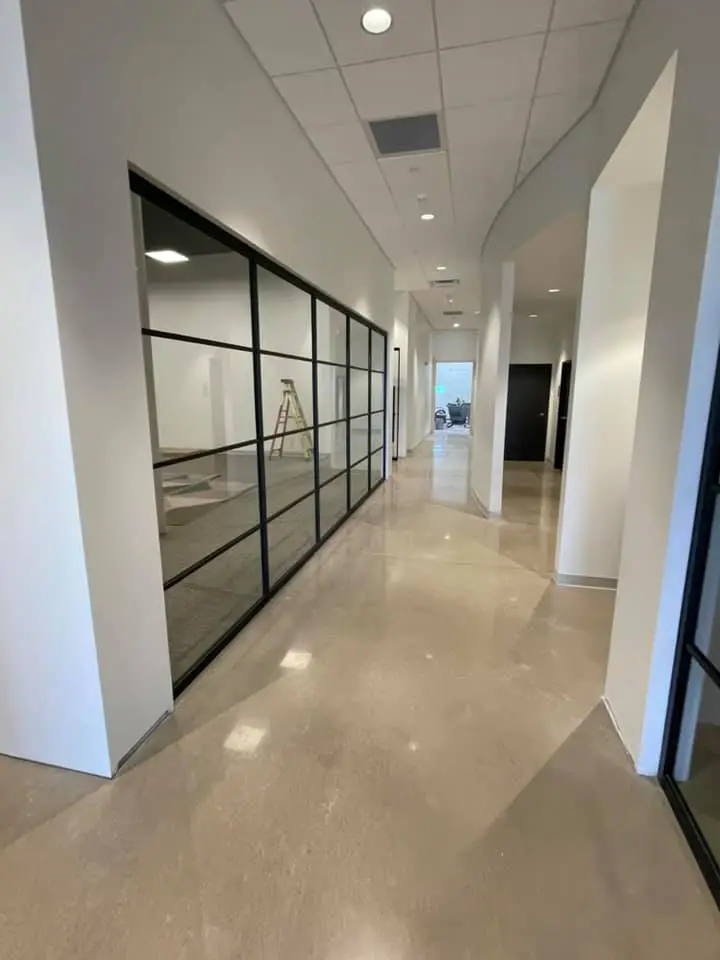
The duration of a painting project is not determined by room count alone. Existing conditions, included surfaces, access and the selected finish system all influence the sequence. A useful schedule explains the milestones and the decisions behind them rather than promising one timetable for every home.
Tell the estimator about your preferred timing and any fixed events early. Move-in dates, other contractors and household access needs are important planning information, even when the final work window cannot yet be confirmed.
Resolve the scope before treating dates as final
List the rooms or elevations and the surfaces included in each. Identify ceilings, trim, doors and detailed components that may not be captured by a simple wall-area description. Confirm whether repairs or cabinet work are separate parts of the project.
Changes to that list can change the sequence. Ask when choices need to be finalized and how a later addition will be reviewed. Keep the schedule tied to the agreed work rather than an earlier, smaller description of the job.
Complete the finish decisions at the right stage
Record colors, sheens and product decisions before they affect the planned start. Where a sample needs review, include that review as a milestone. A sample that has not been accepted is still an open decision, even if a preferred work date is approaching.
Coordinate connected rooms so that transitions are agreed together. If cabinets, counters or flooring will also change, discuss when those choices and installations will be ready for the painting phase.
Account for preparation and separate repairs
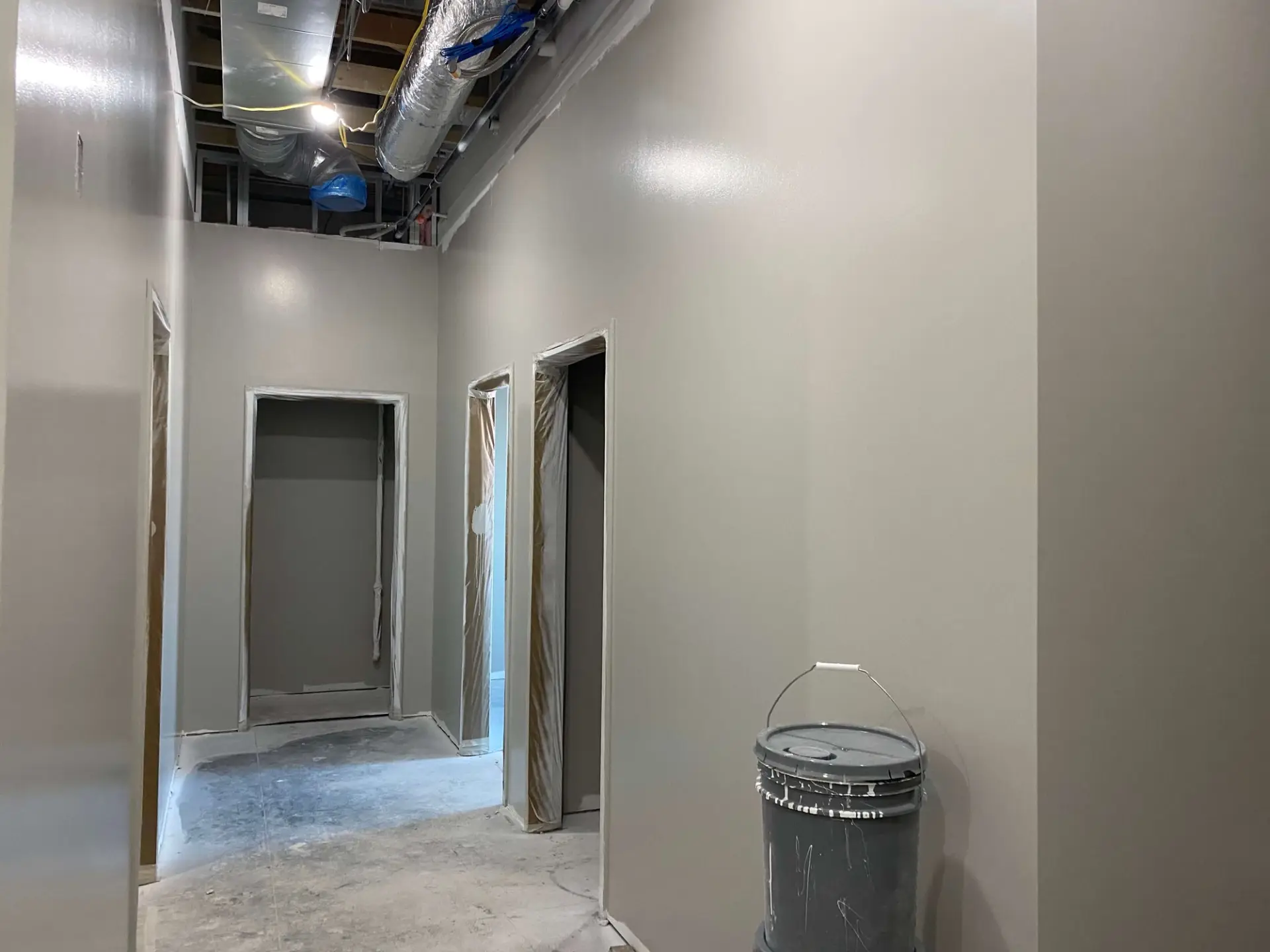
Ask which conditions need assessment and which repairs must be completed first. A recurring stain, damaged component or uncertain existing coating may require information that is not available during an initial photograph review.
Identify who owns each separate task and how completion will be communicated. The painting schedule should follow the actual readiness of the surface rather than a date alone. If new conditions are discovered, agree how the revised sequence and any scope changes will be discussed.
Distinguish work time from return-to-use time
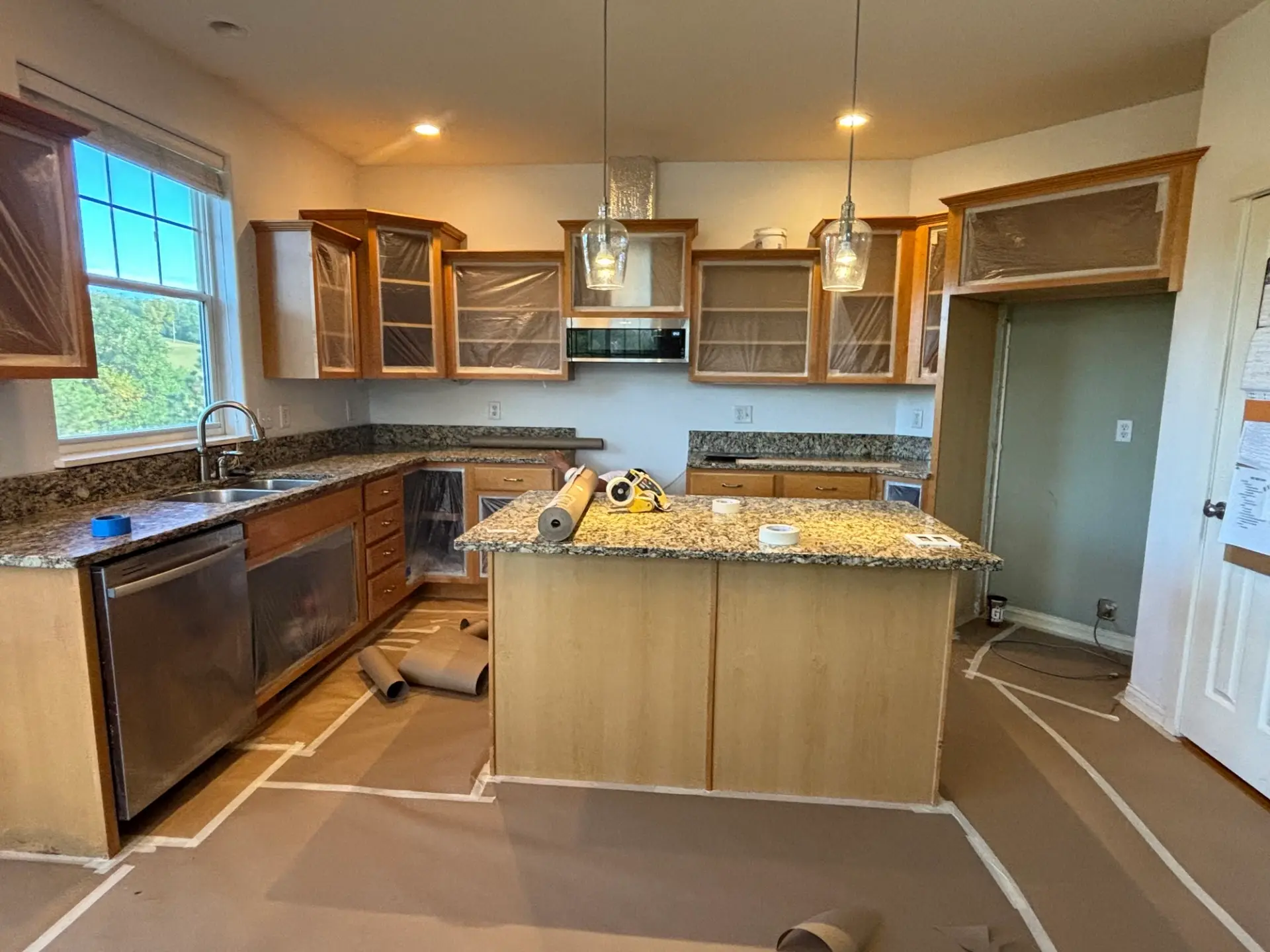
Ask when each area may be entered, touched, furnished or cleaned. Those instructions depend on the products and actual conditions. A surface feeling dry is not a universal instruction for every kind of use.
For decks and other exterior surfaces, include the selected product’s weather and use requirements in the plan. Confirm how changing conditions will affect access and communication. Avoid relying on an online number of hours that belongs to a different product or application.
Plan around the people using the property
Discuss work-from-home rooms, bedrooms, bathrooms, pets and access routes. A phased approach may be useful, but the arrangement needs to be agreed for the specific home. Explain which areas must remain available and where flexibility exists.
Also identify parking, material staging and belongings that need to move. These details can affect the sequence even when the painting scope itself stays the same.
Agree on milestones and updates
A practical plan identifies the expected start window, preparation phase, finish work, review and return-to-use instructions. It also identifies who provides updates and how a change will be communicated.
Discuss your timing with Henry’s alongside the surfaces and conditions involved. A schedule built from that information gives you a clearer basis for arranging the household than a generic promise about how long painting should take.
Explore more of our work